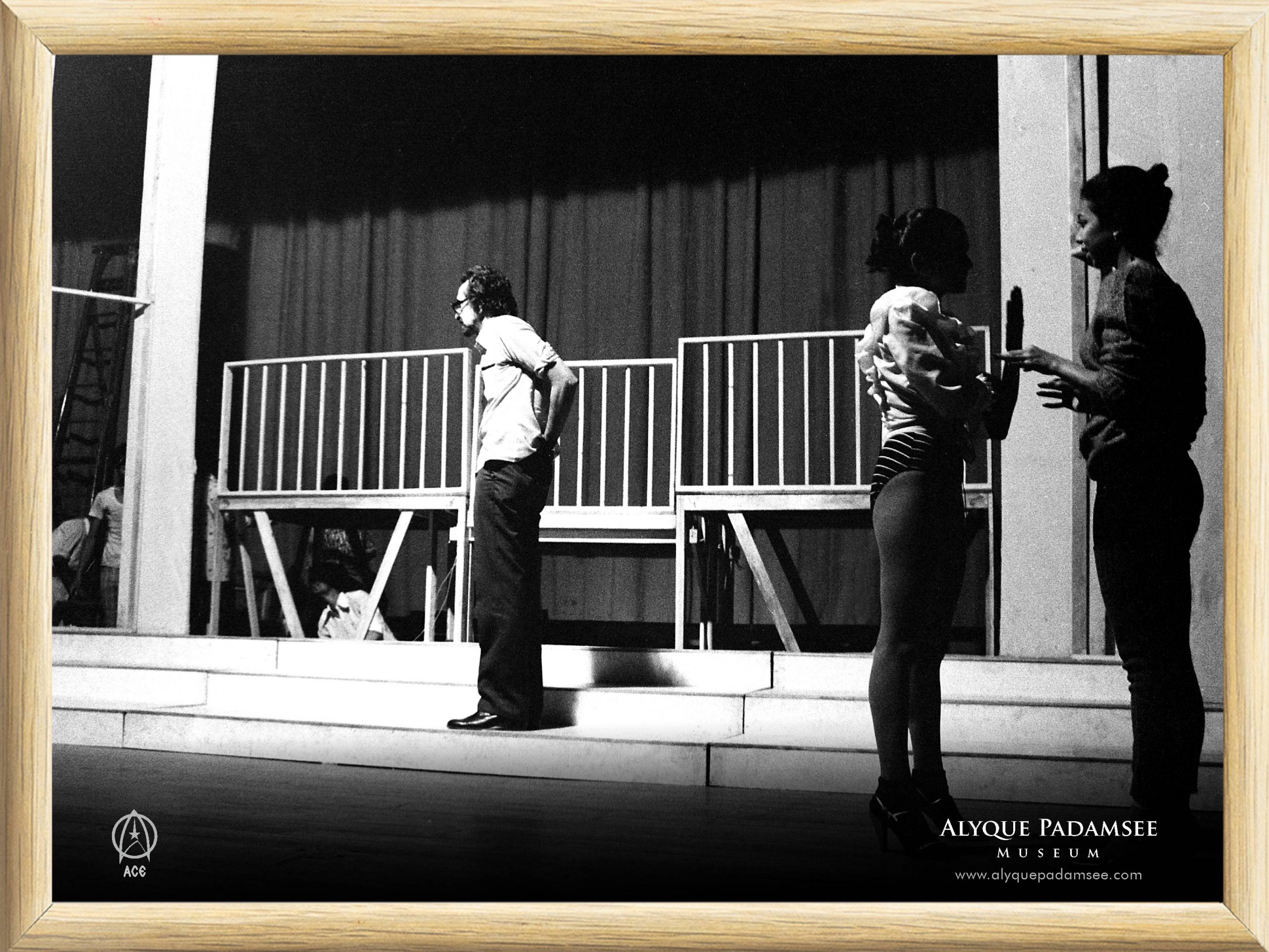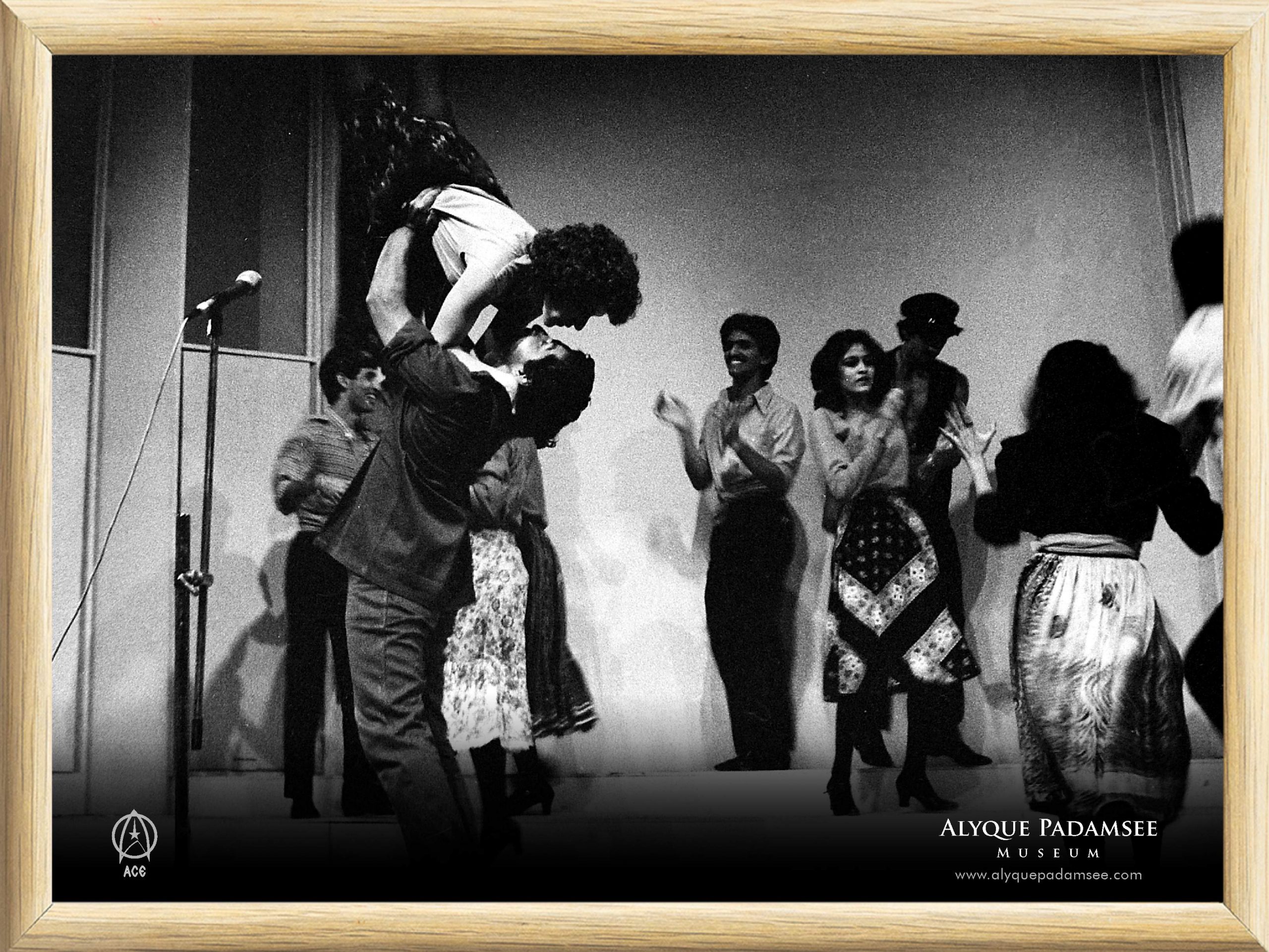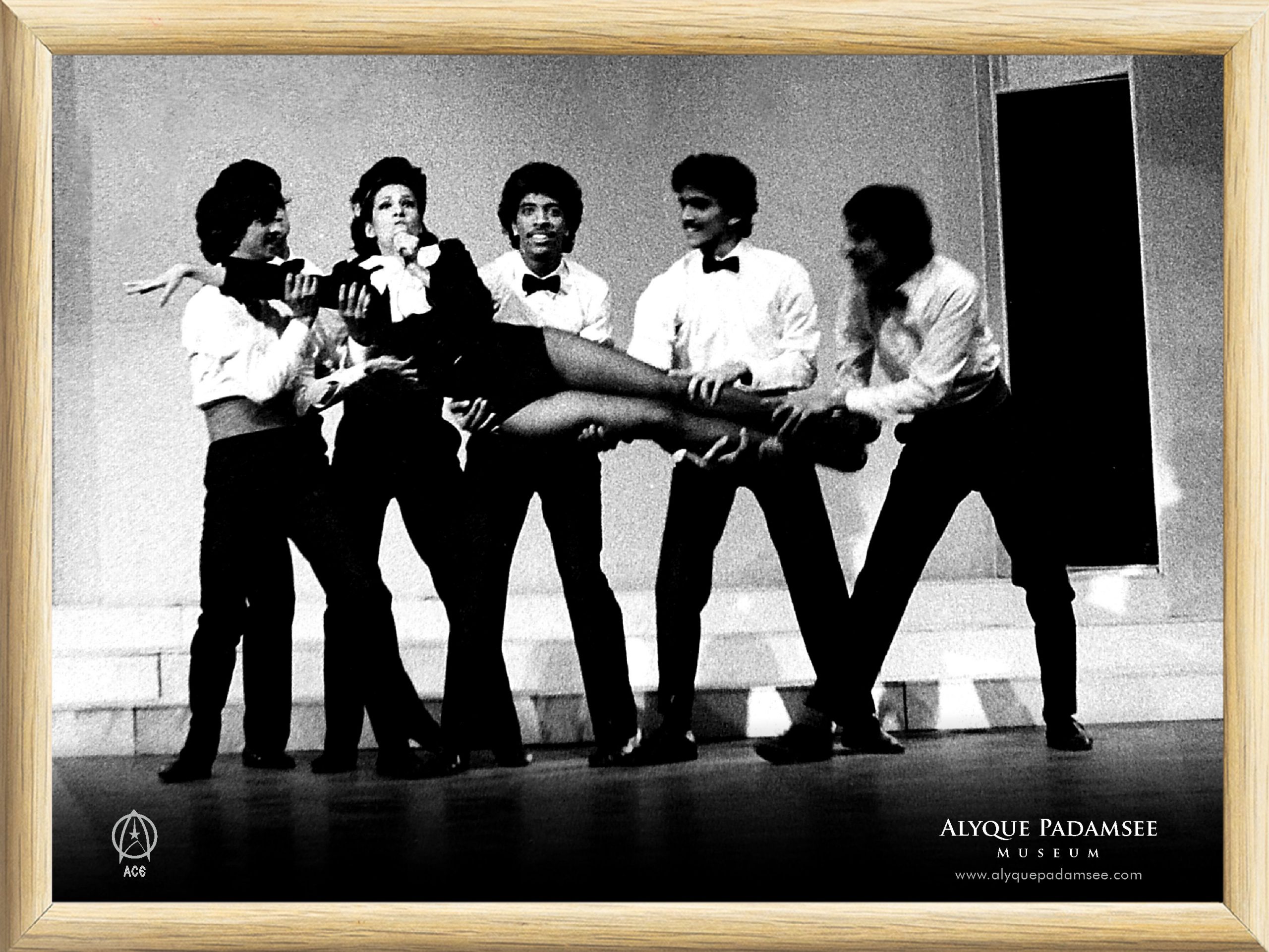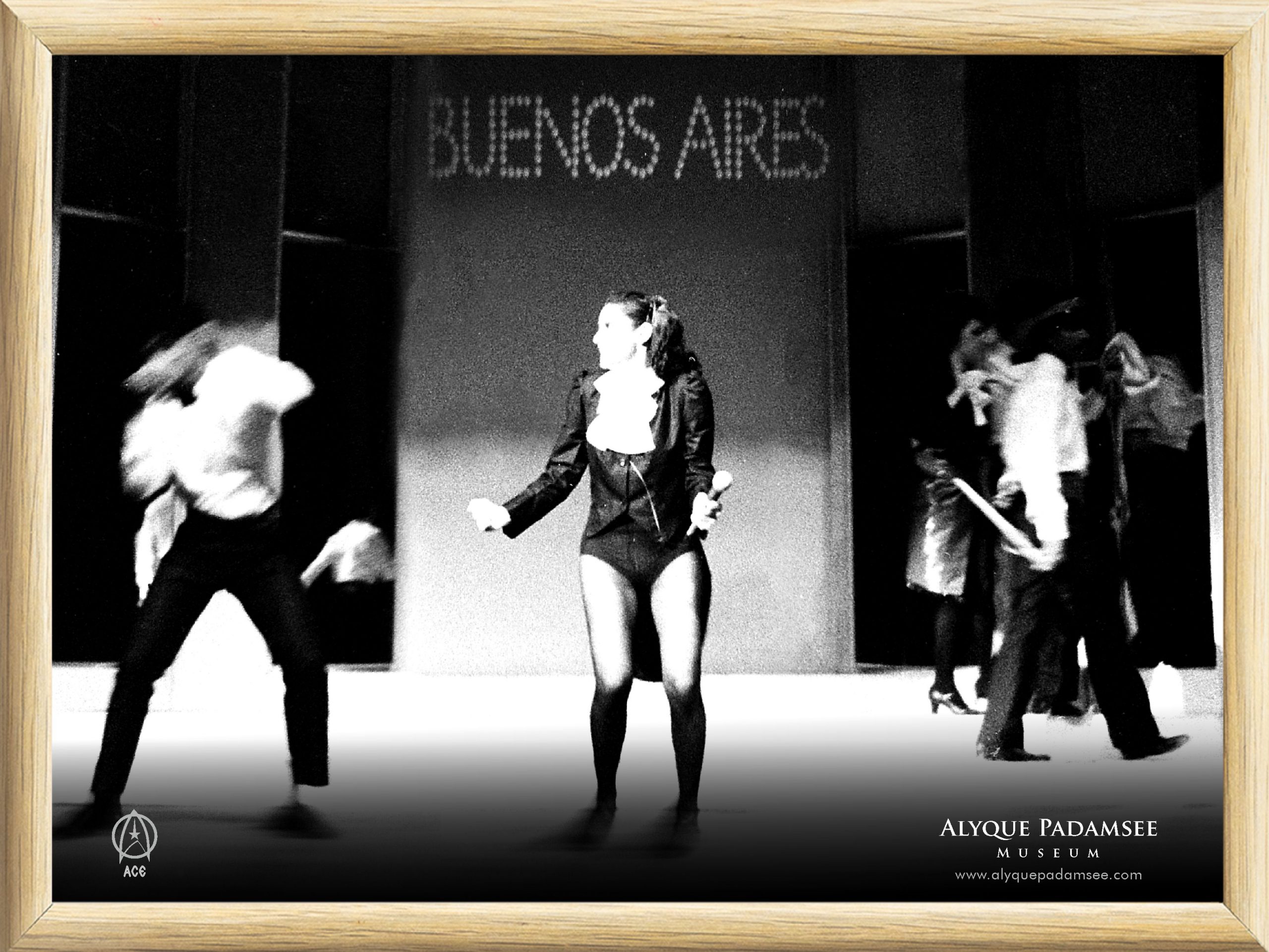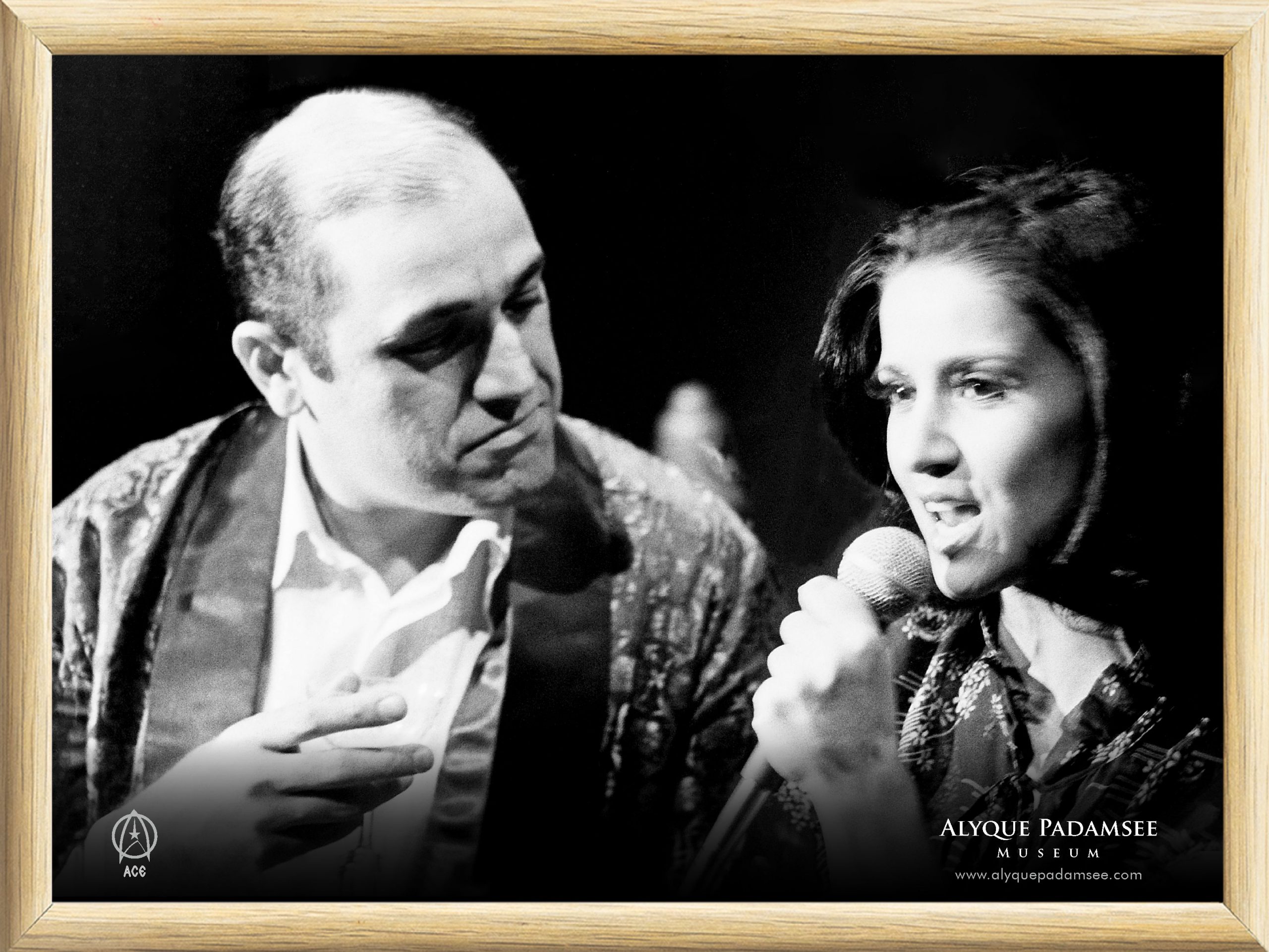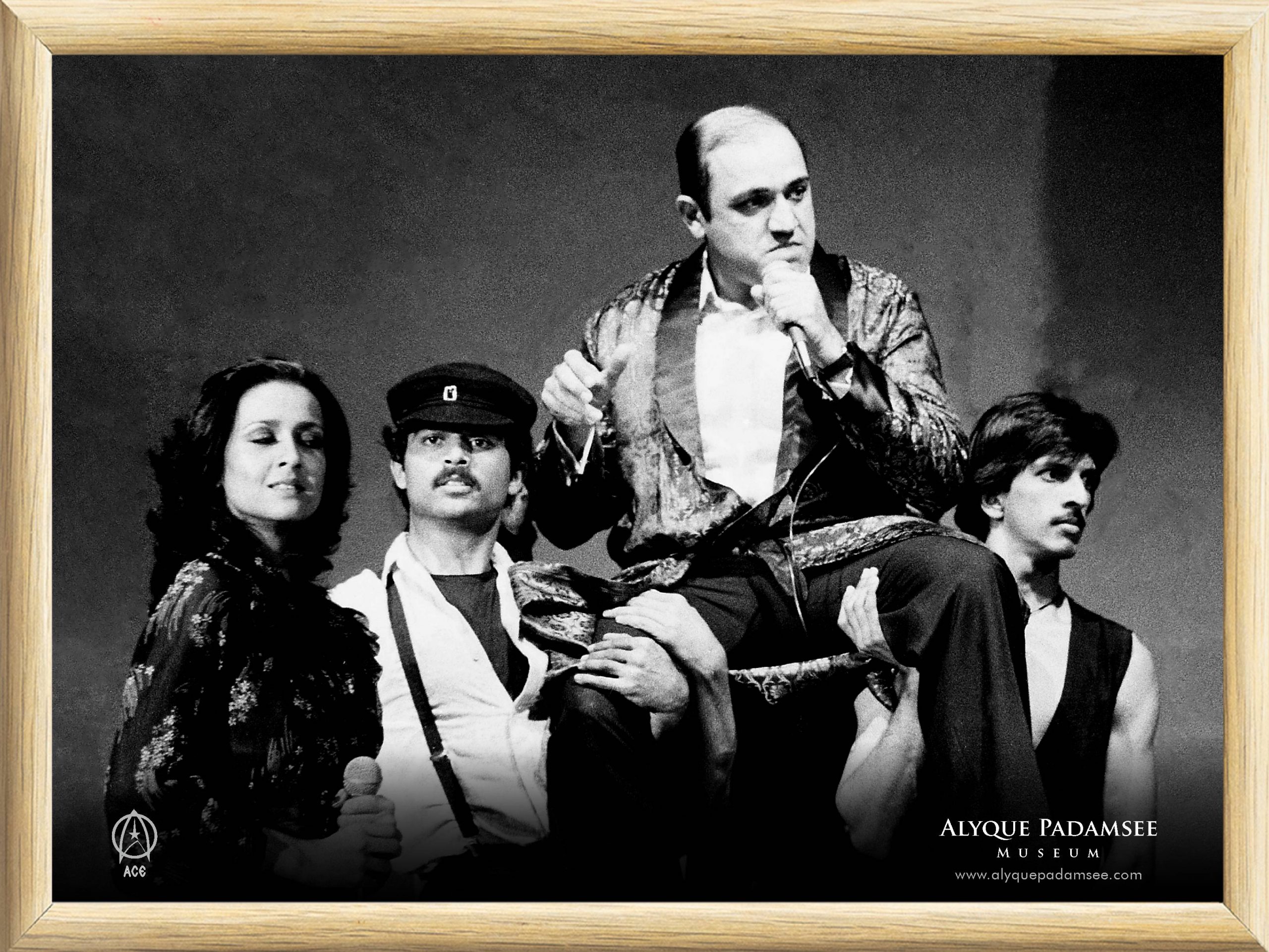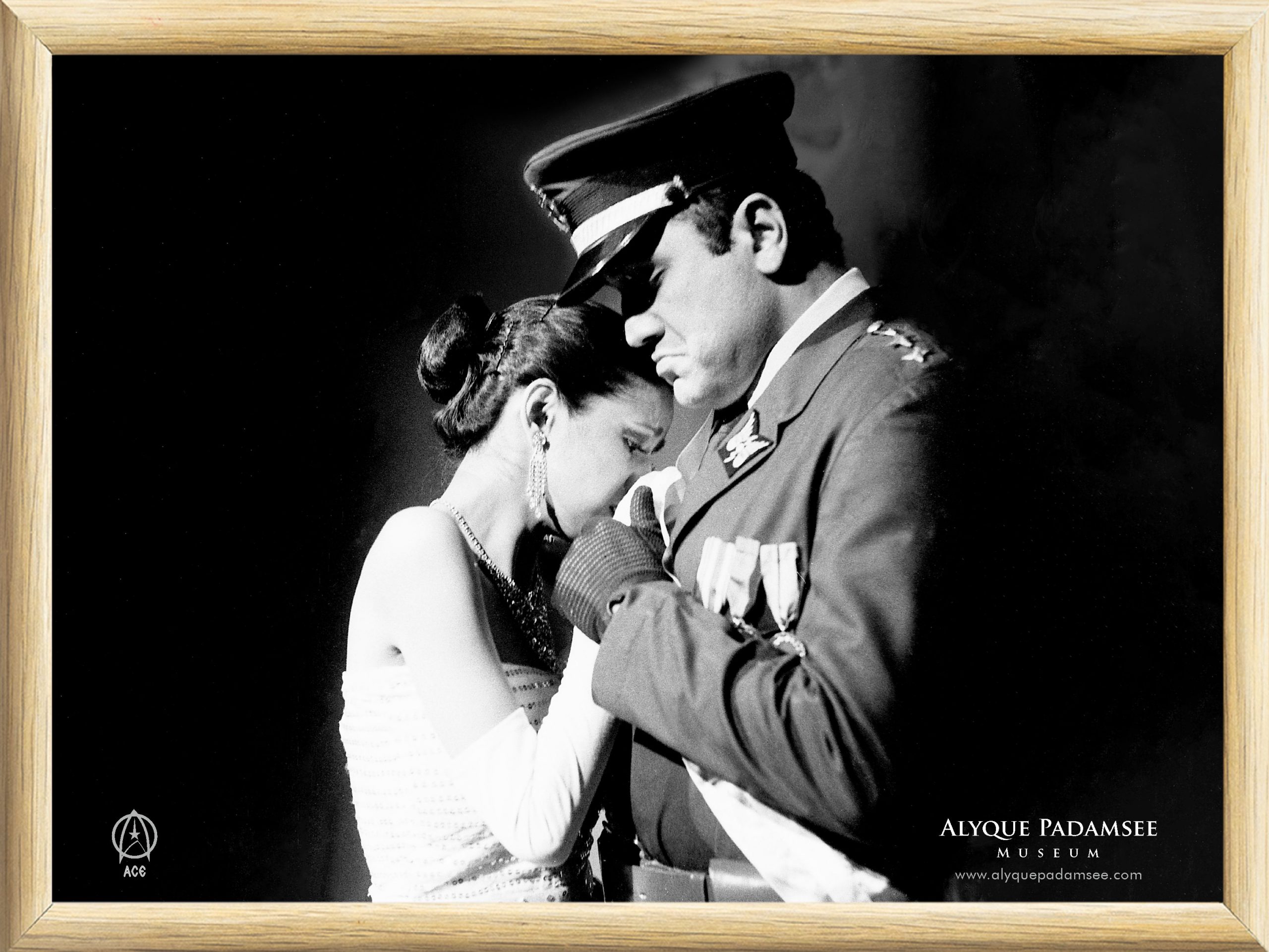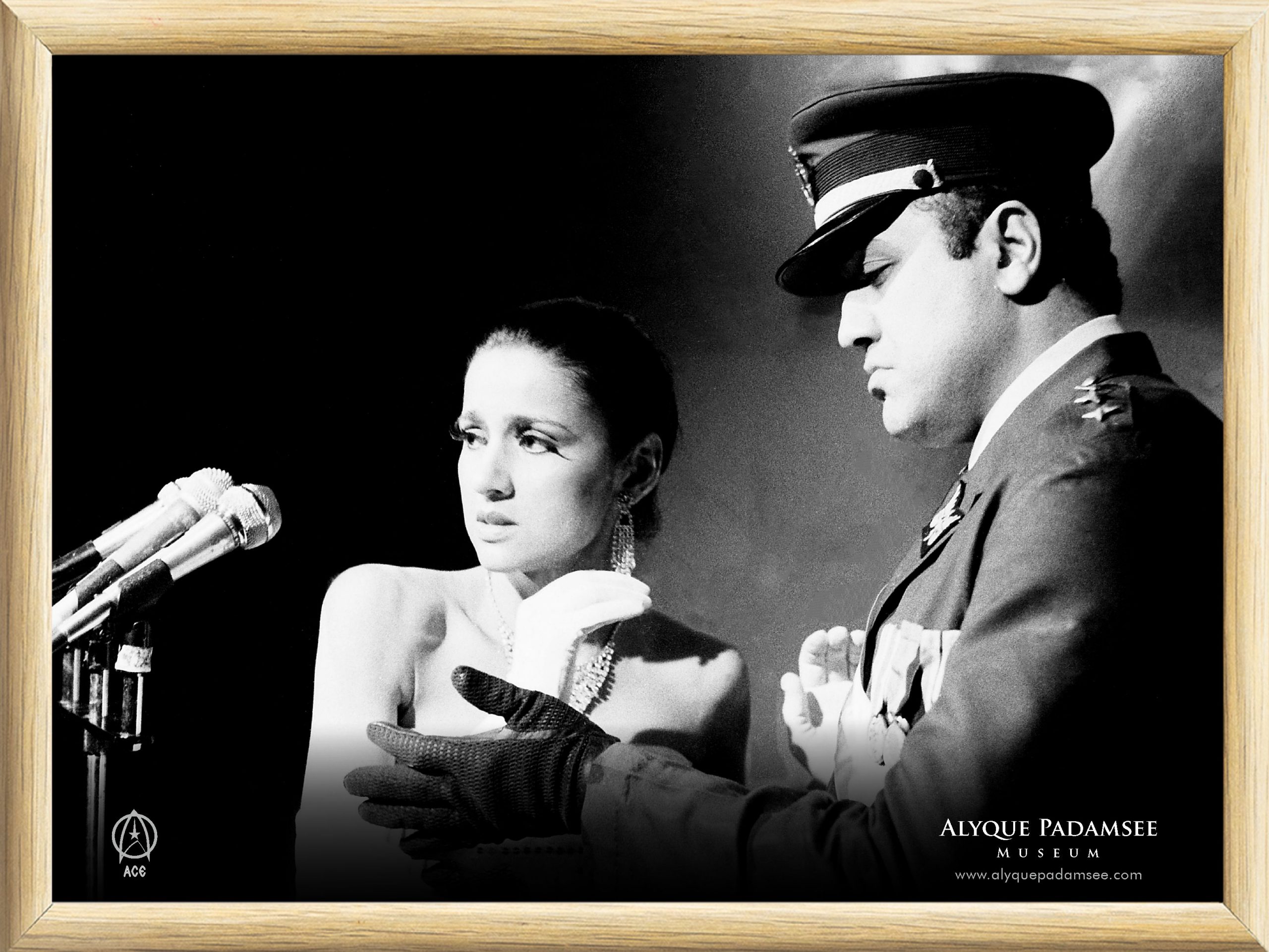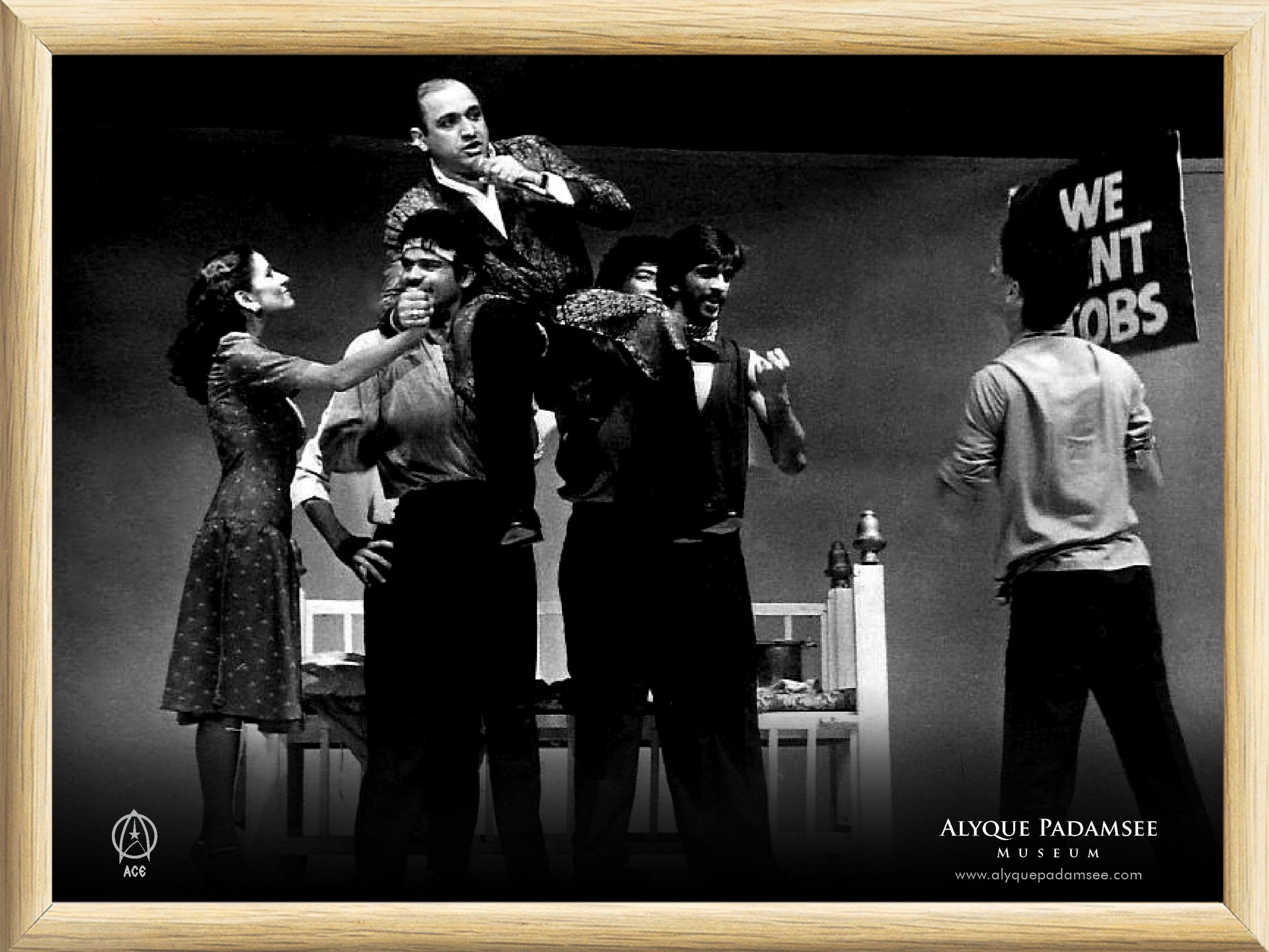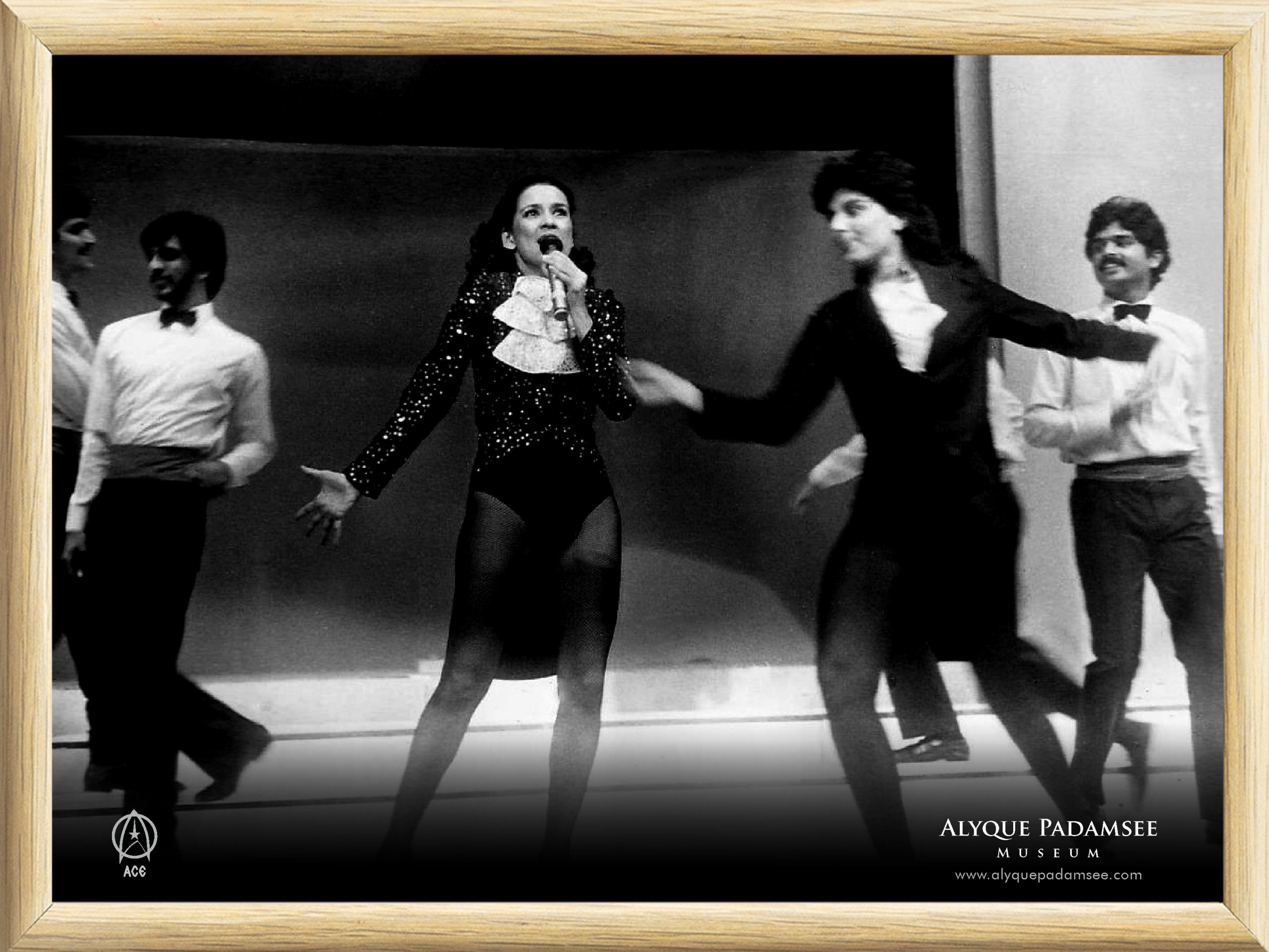

Play Synopsis
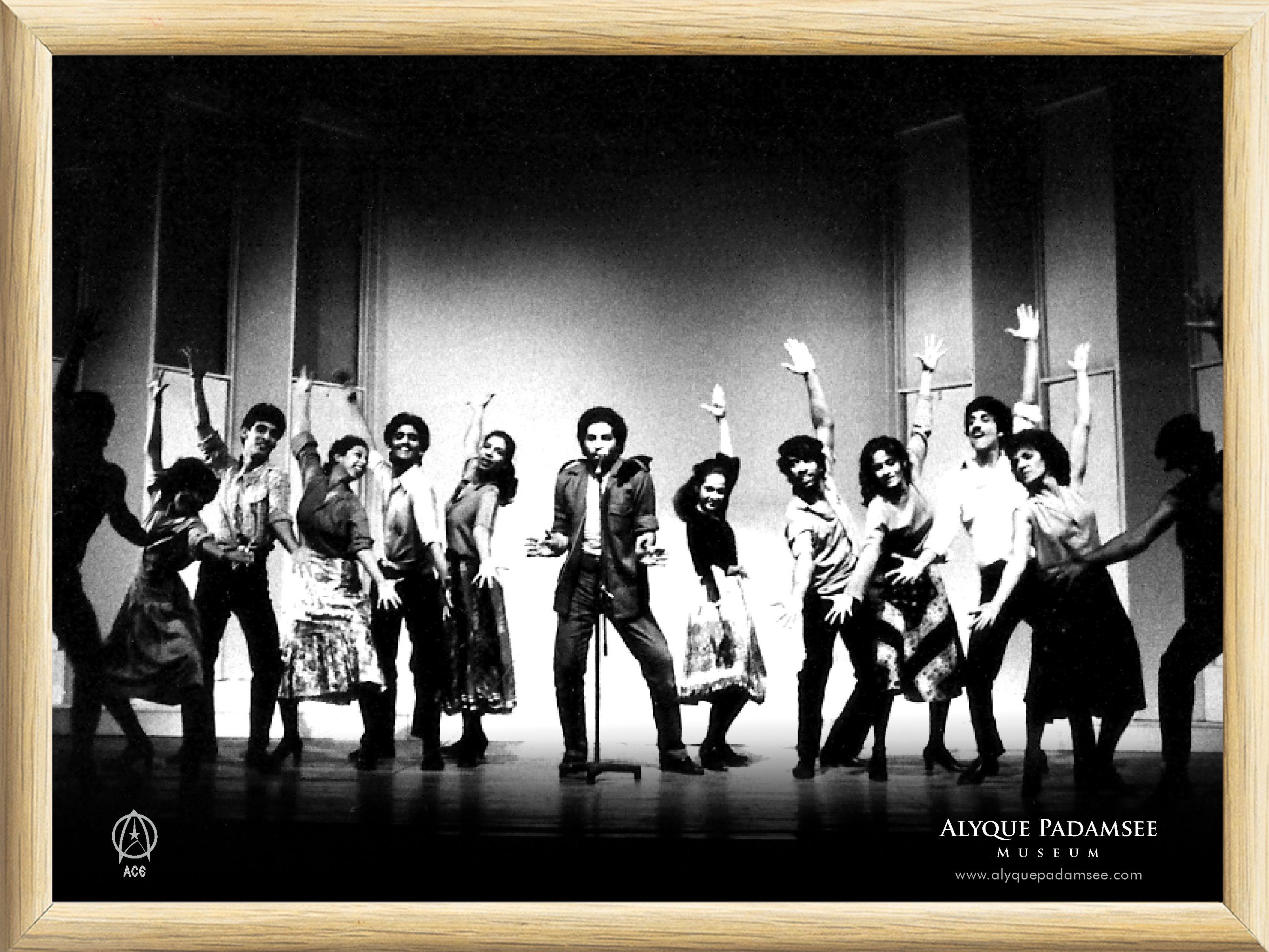
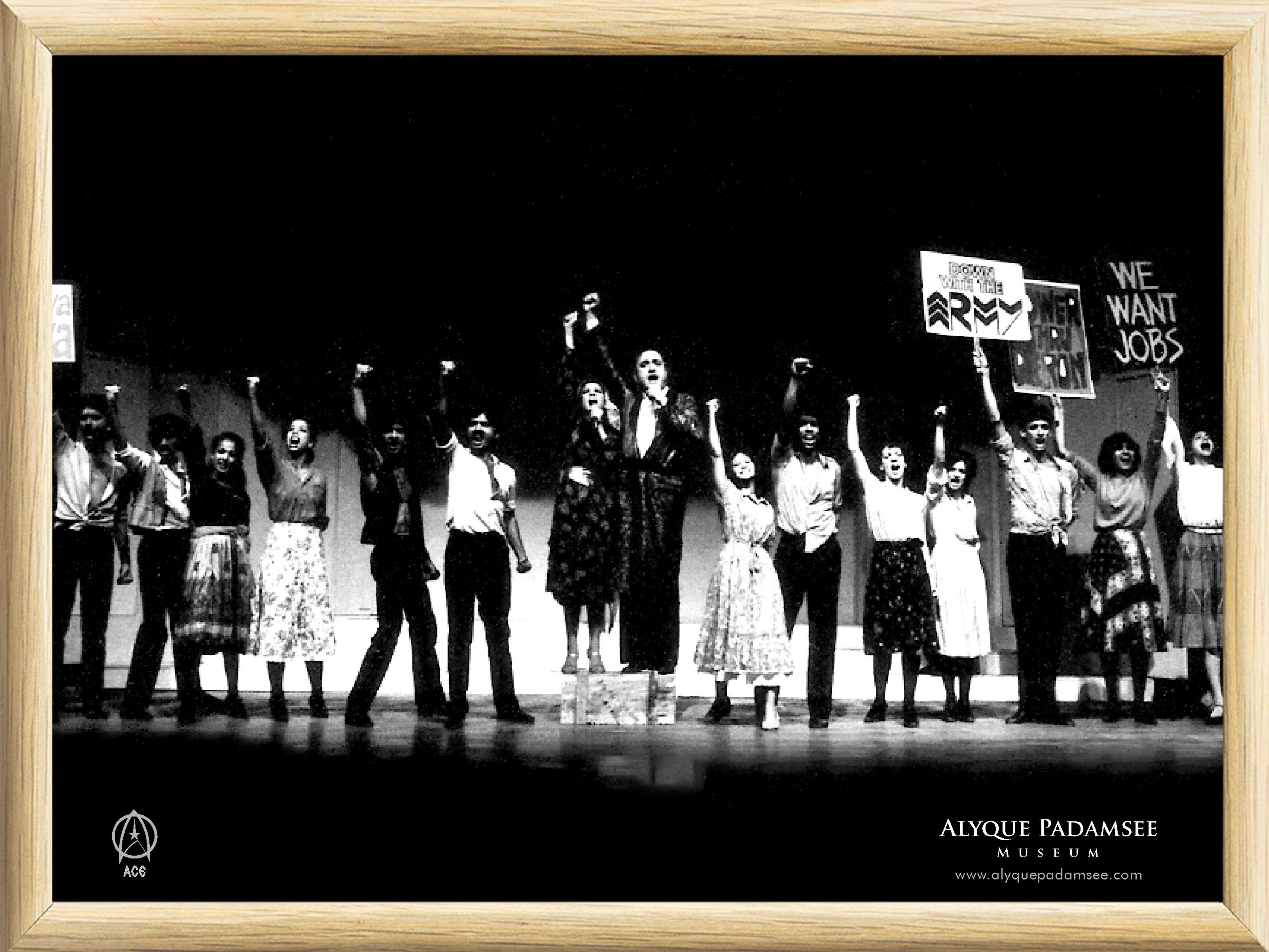
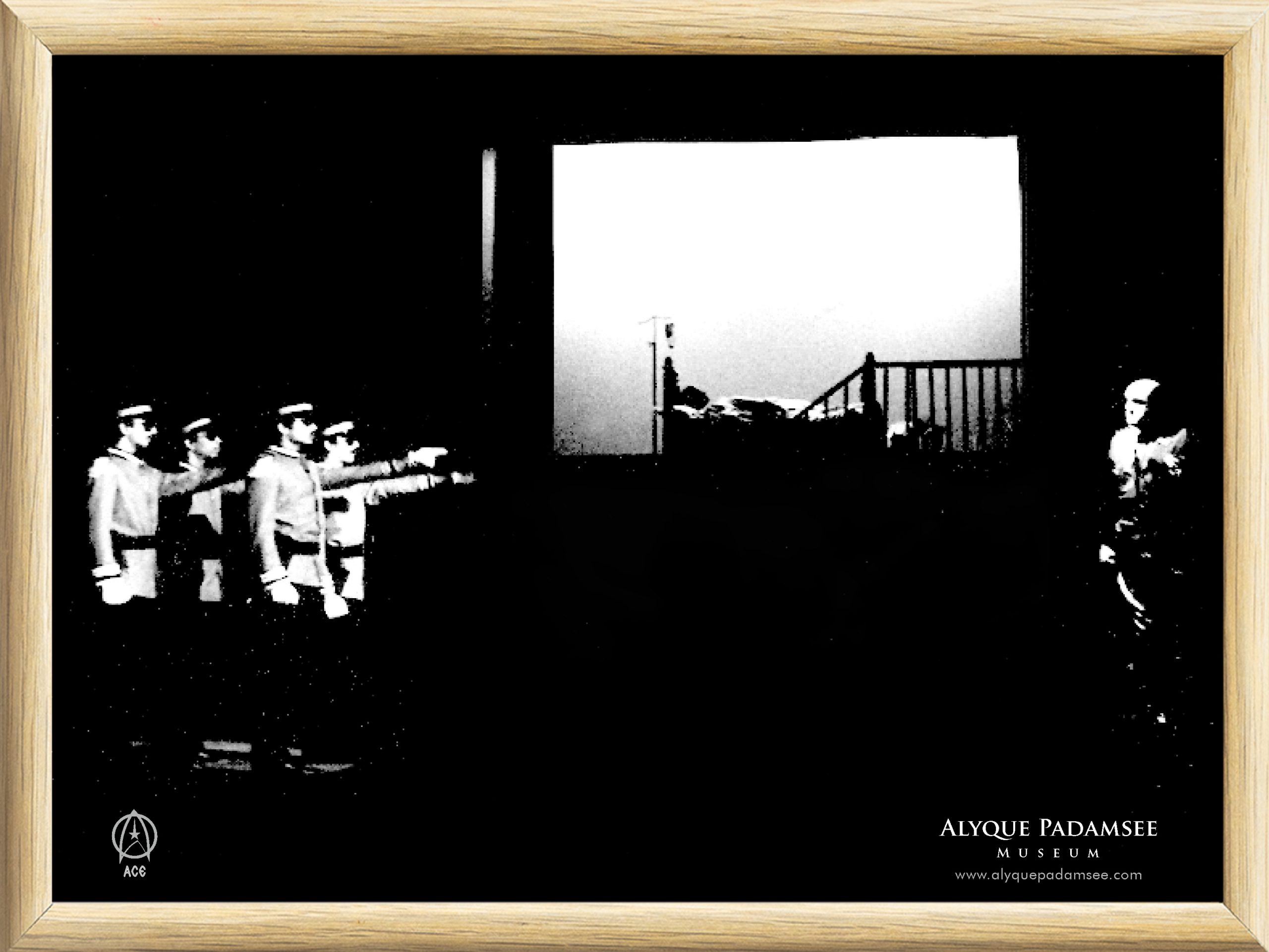
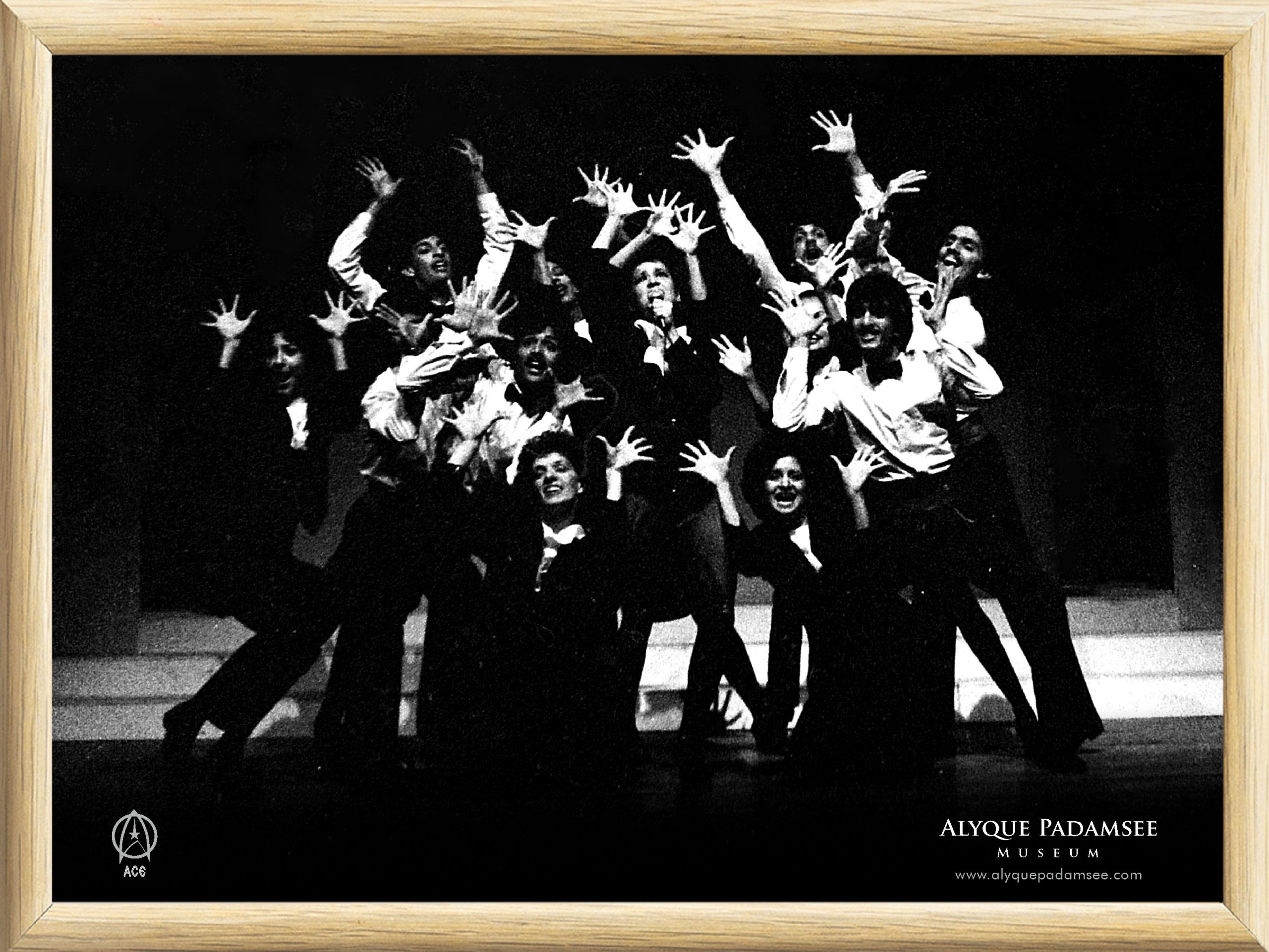
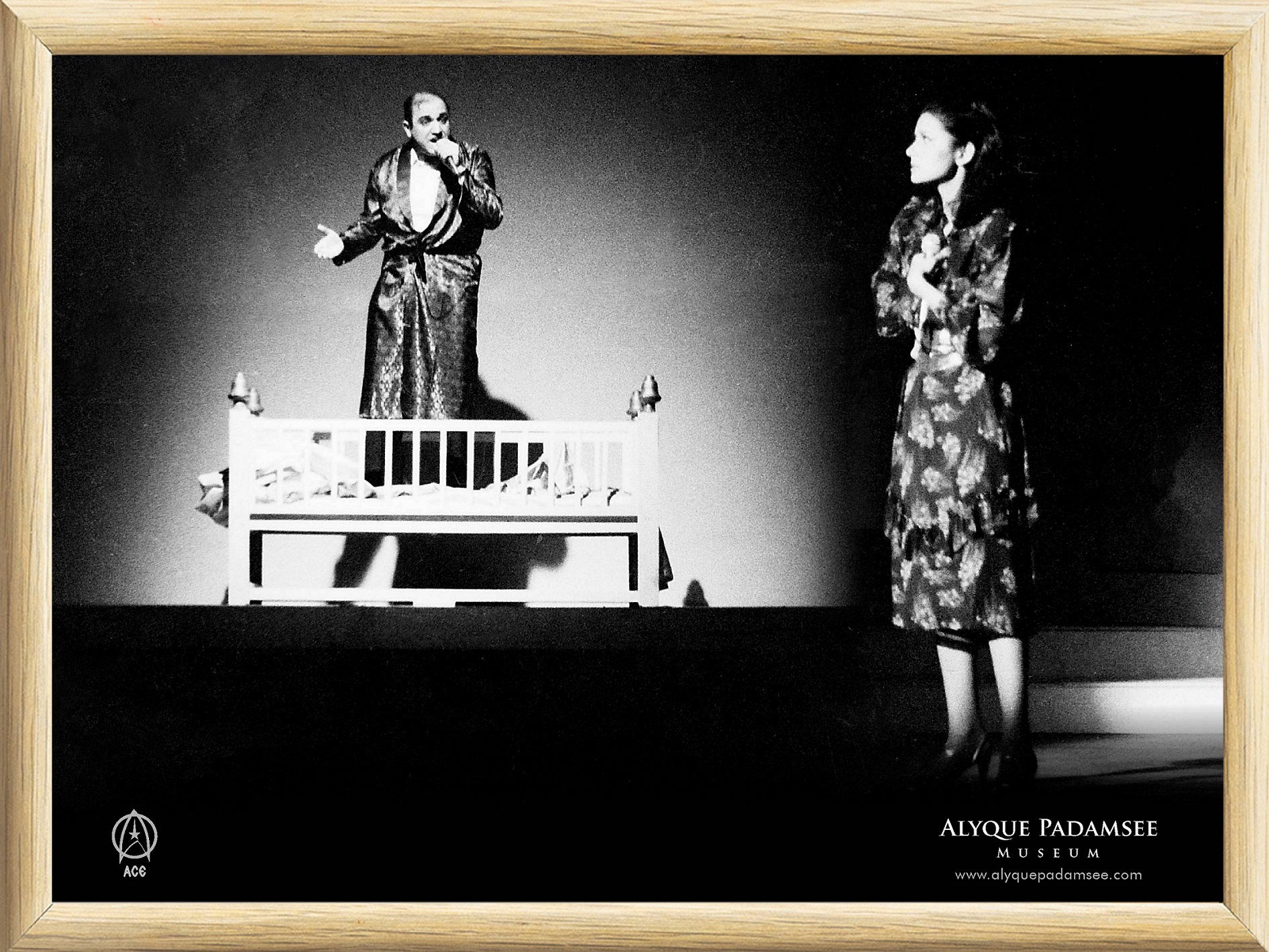
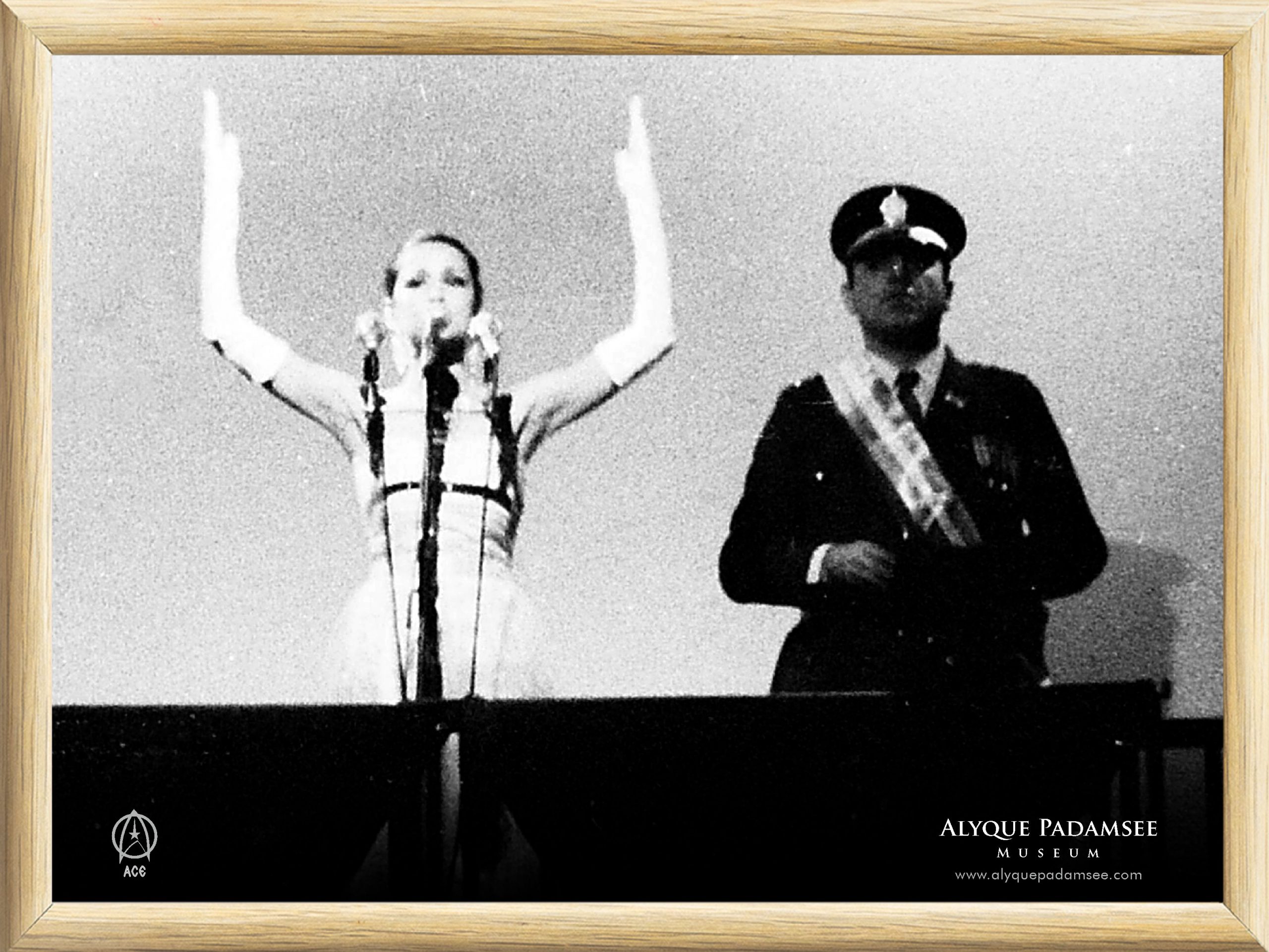
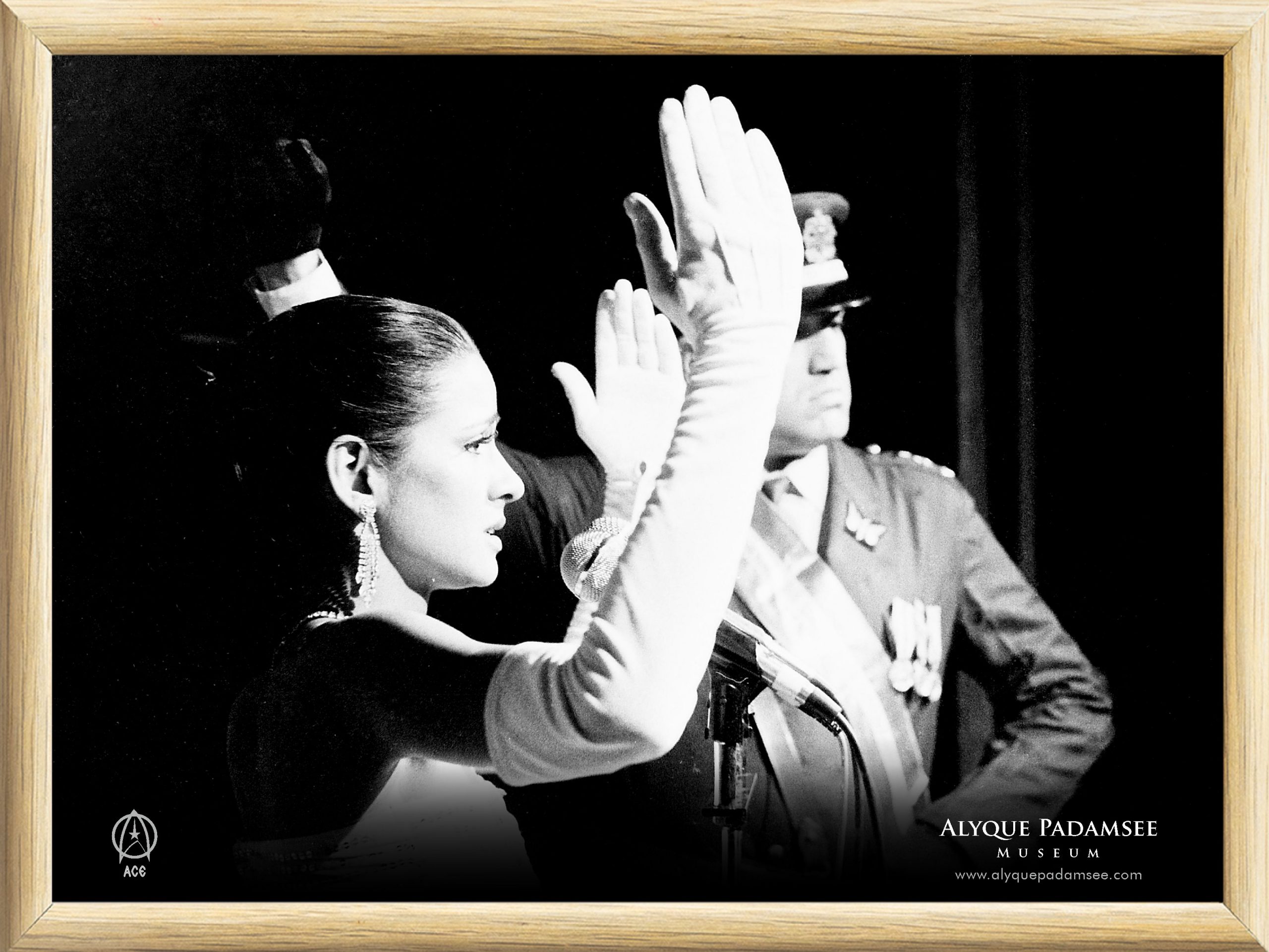
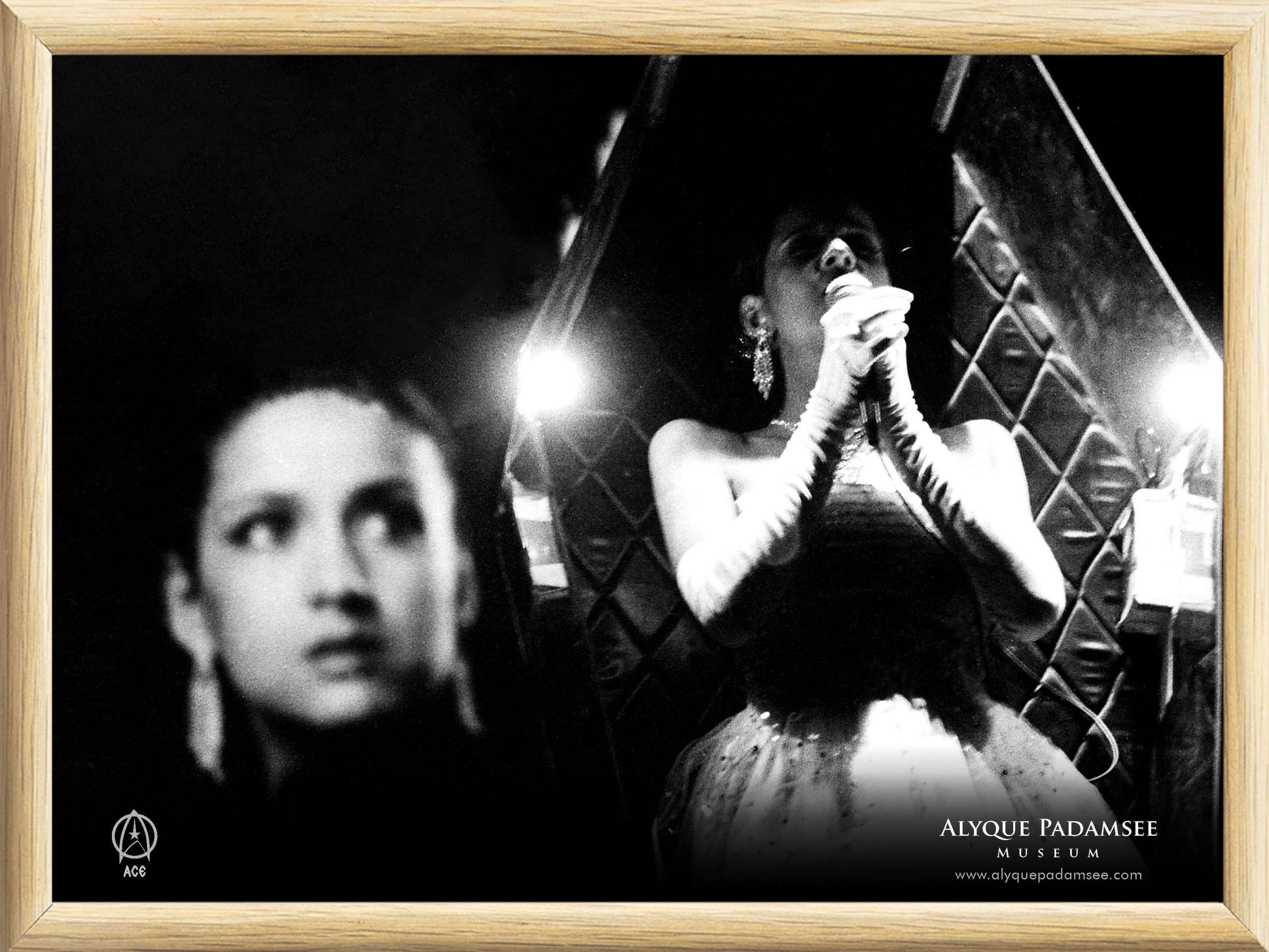
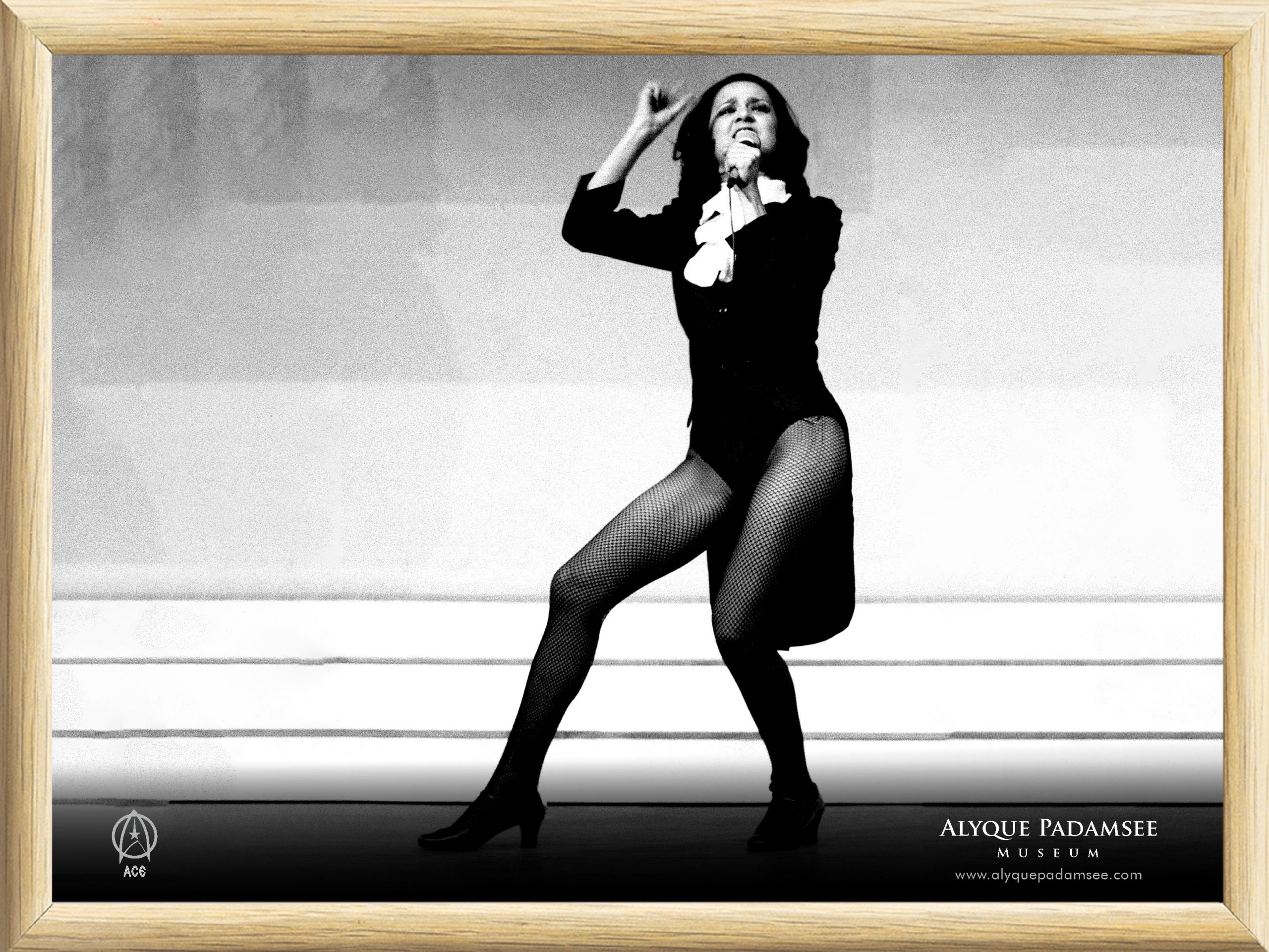
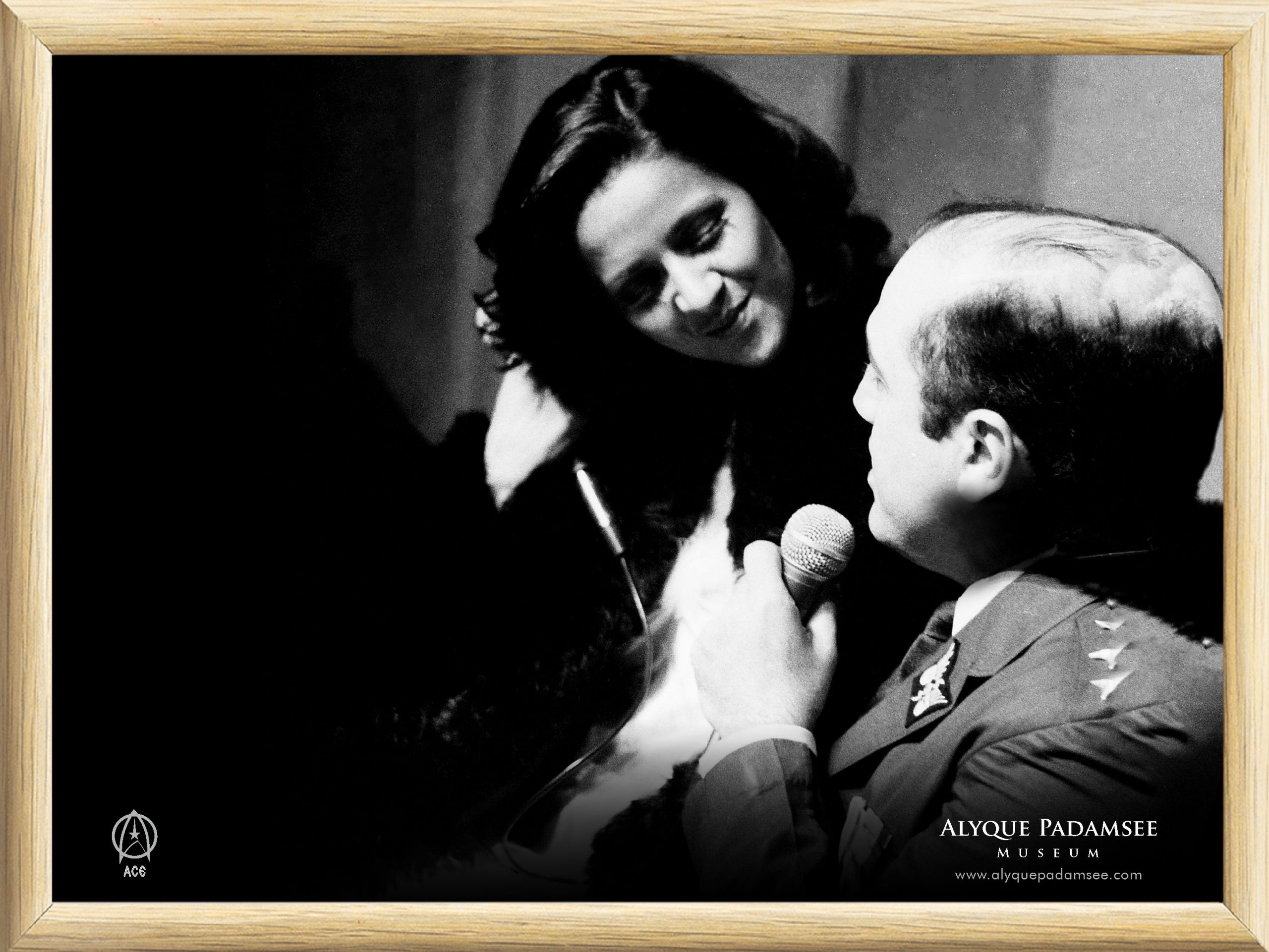
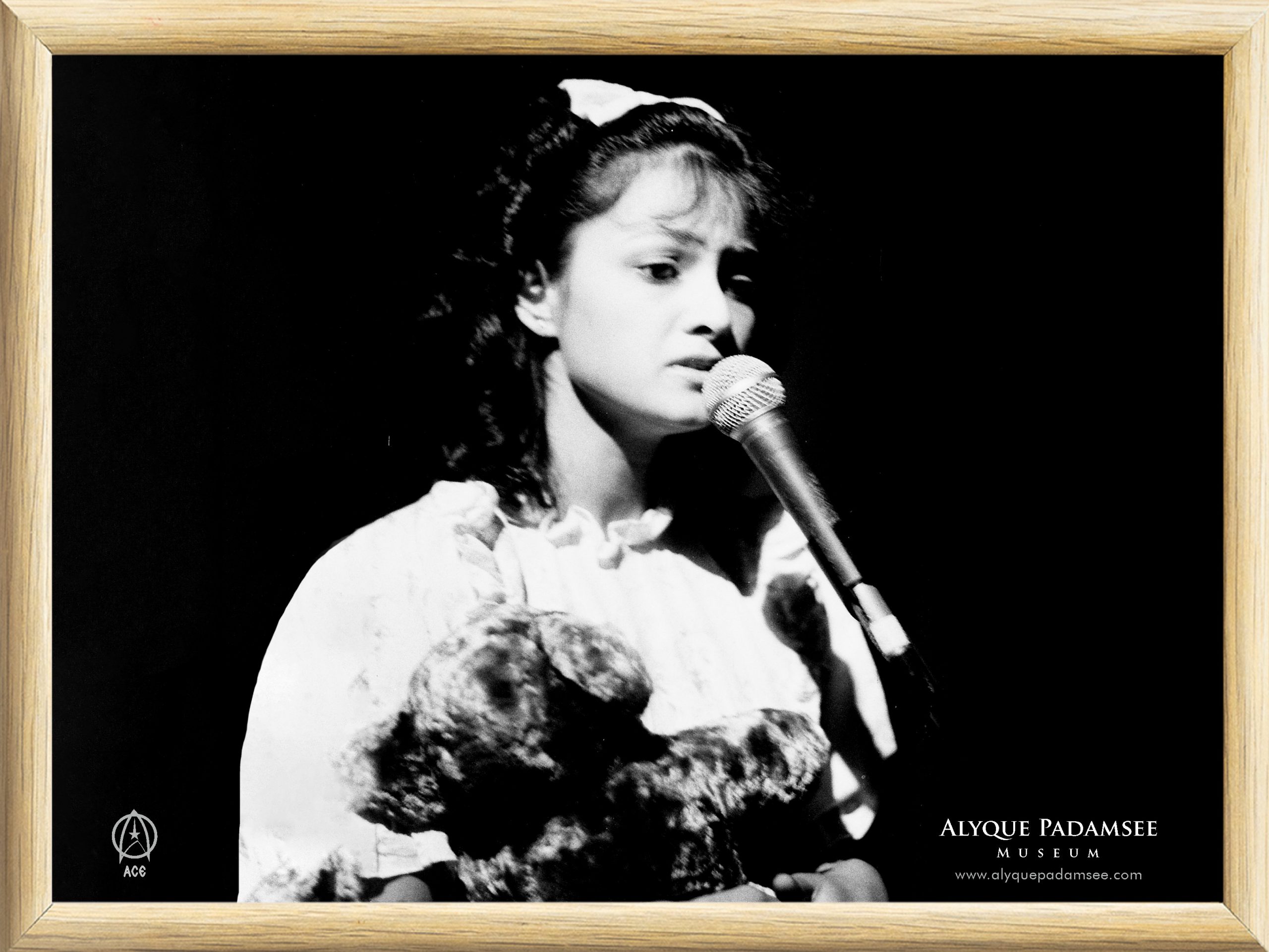
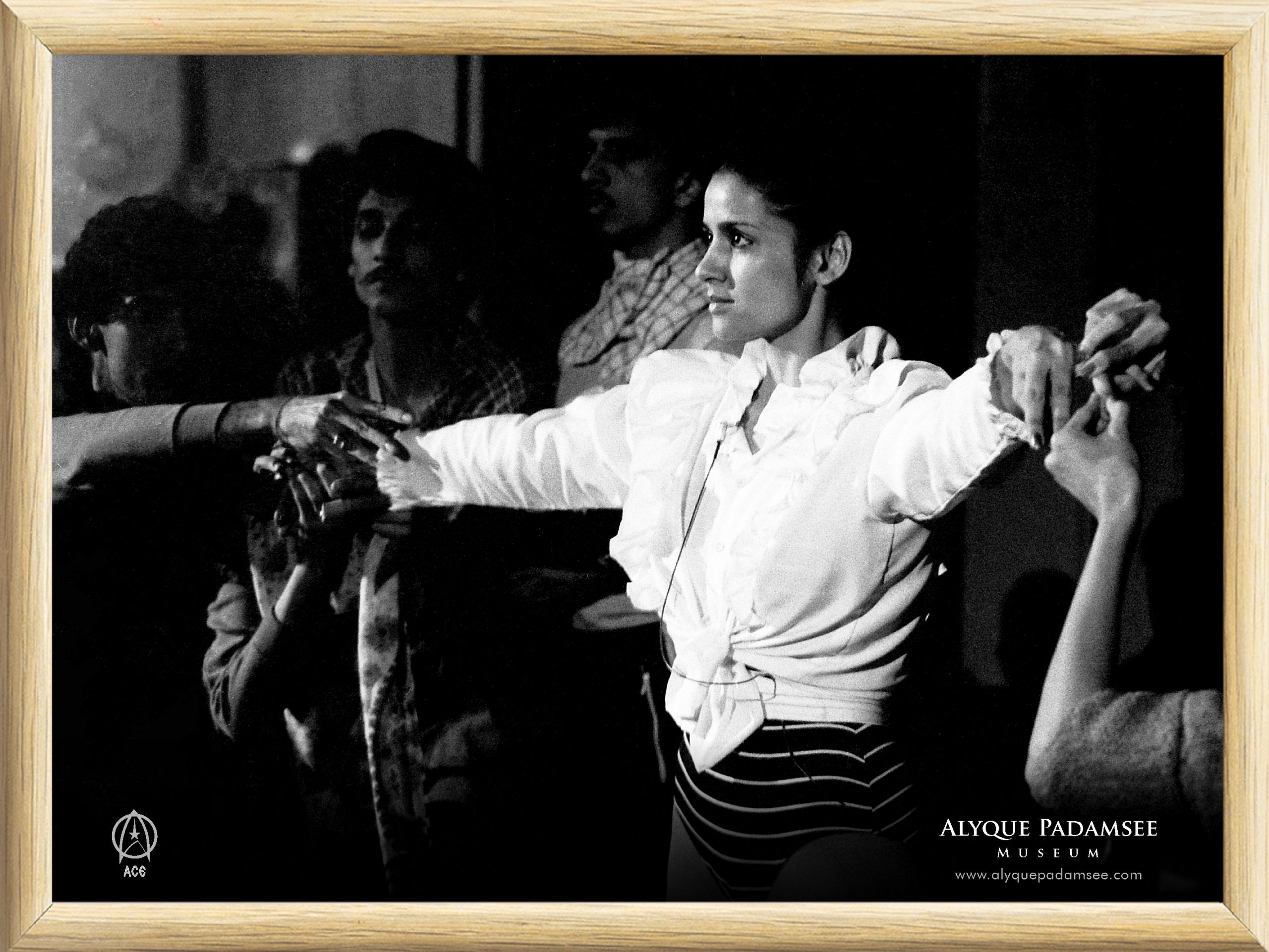
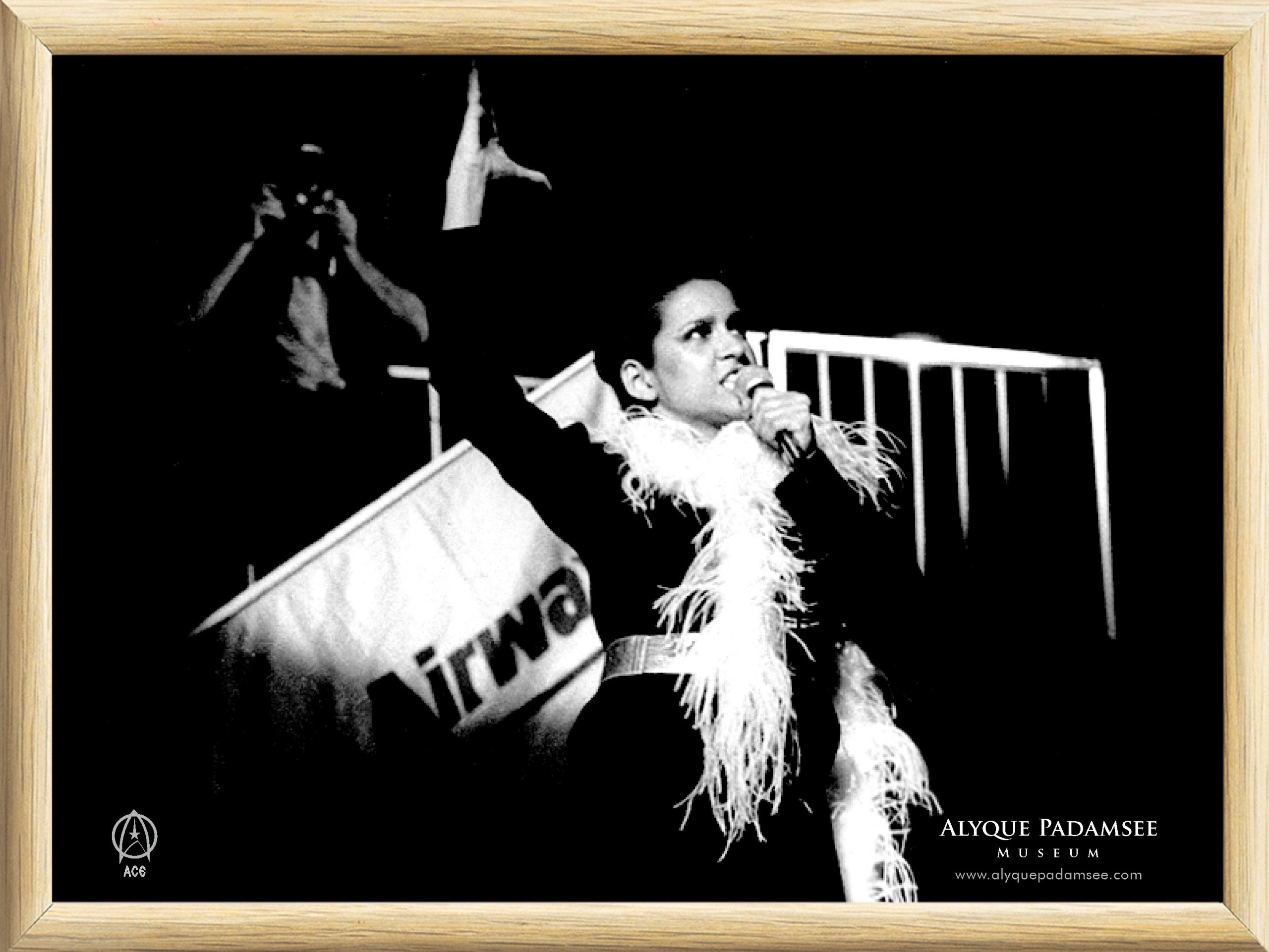
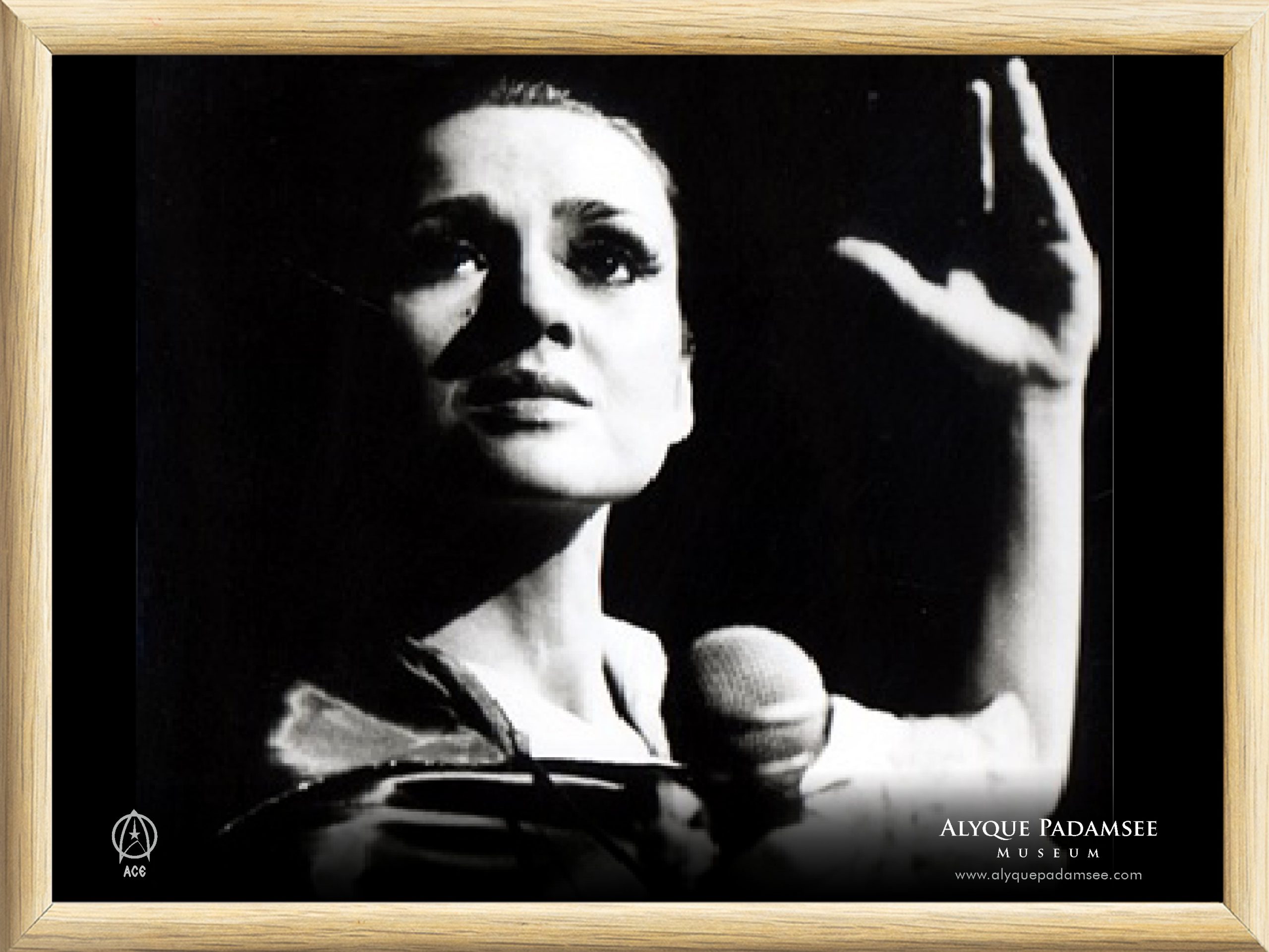
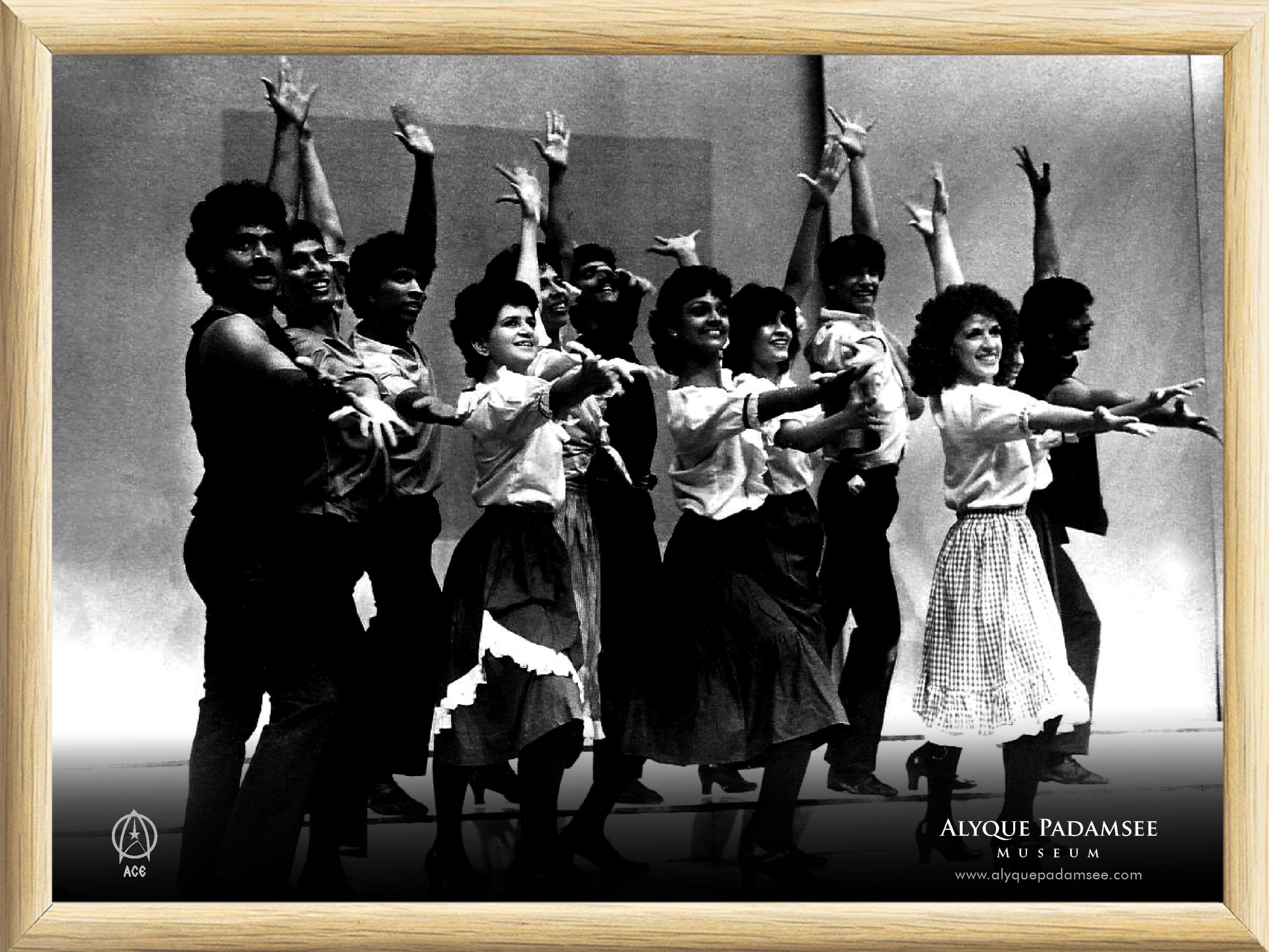
‘Evita’ is a musical, including score and music composed by Andrew Lloyd Webber and lyrics and book written by Tim Rice. It concentrates on the life of Argentine political leader Eva Perón, the second wife of Argentine President Juan Perón. The story follows Evita’s early life, rise to power, charity work, and death.
A movie version of the highly successful musical by Andrew Lloyd Weber and Tim Rice, ‘Evita’ is the story of Argentina’s most controversial First Lady, Eva Perón (1919 – 1952.) Her awe-inspiring funeral, attended by seven million devoted followers, is the opening to the musical, with the narrator then bringing the story back by over a decade, explaining how a B-movie actress became the object of such controversial devotion.
Trapped and bored with her family in rural Argentina in the late 1930s, Eva Duarte convinces a womanizing musician to take her with him, back to the capital city, Buenos Aires, where she is determined to become a star. After being abandoned by the musician, Eva endures humiliation and poverty before using her feminine wiles to climb the ladder of the city’s entertainment scene, eventually becoming a well-paid radio and film actress.
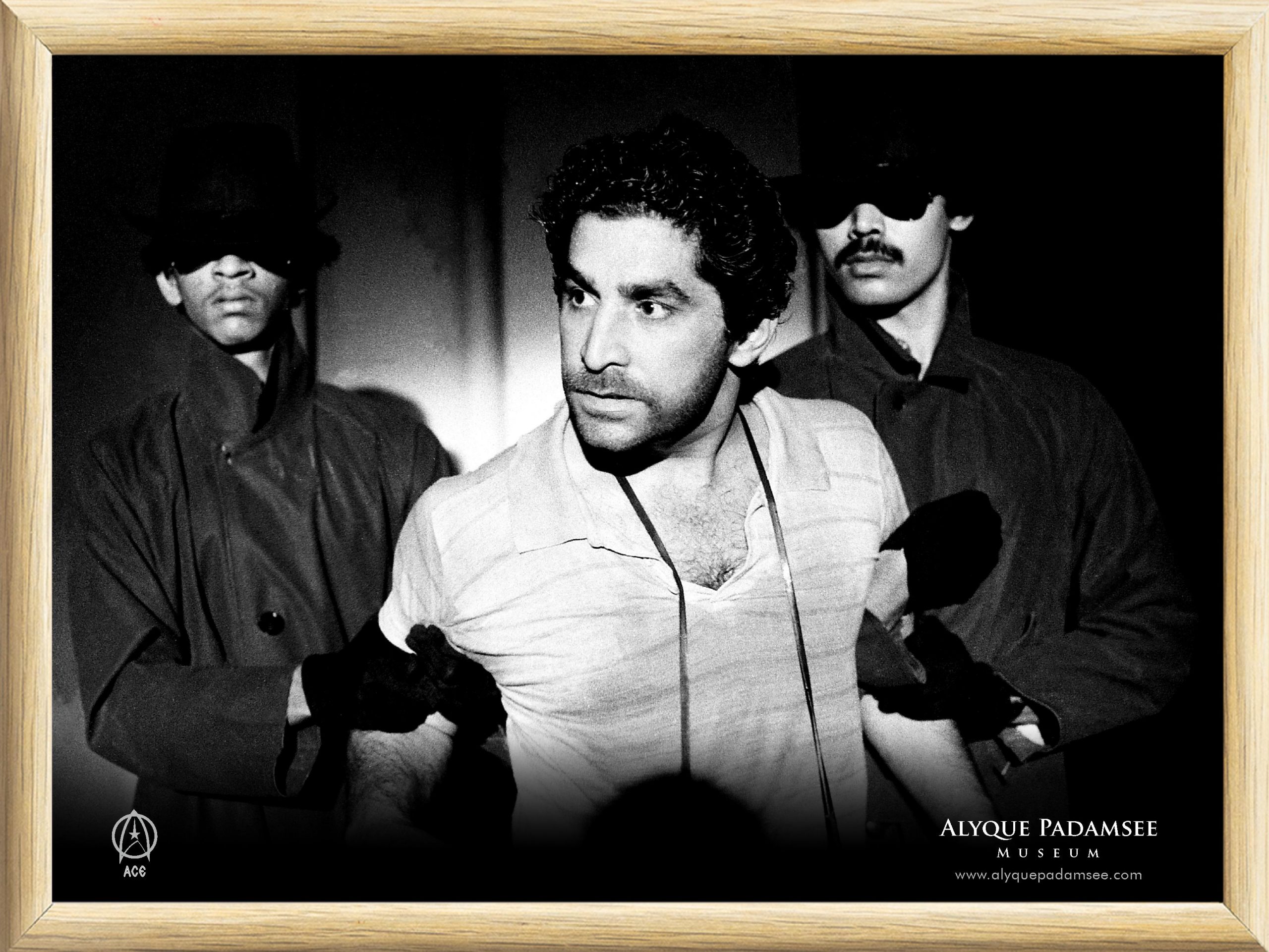
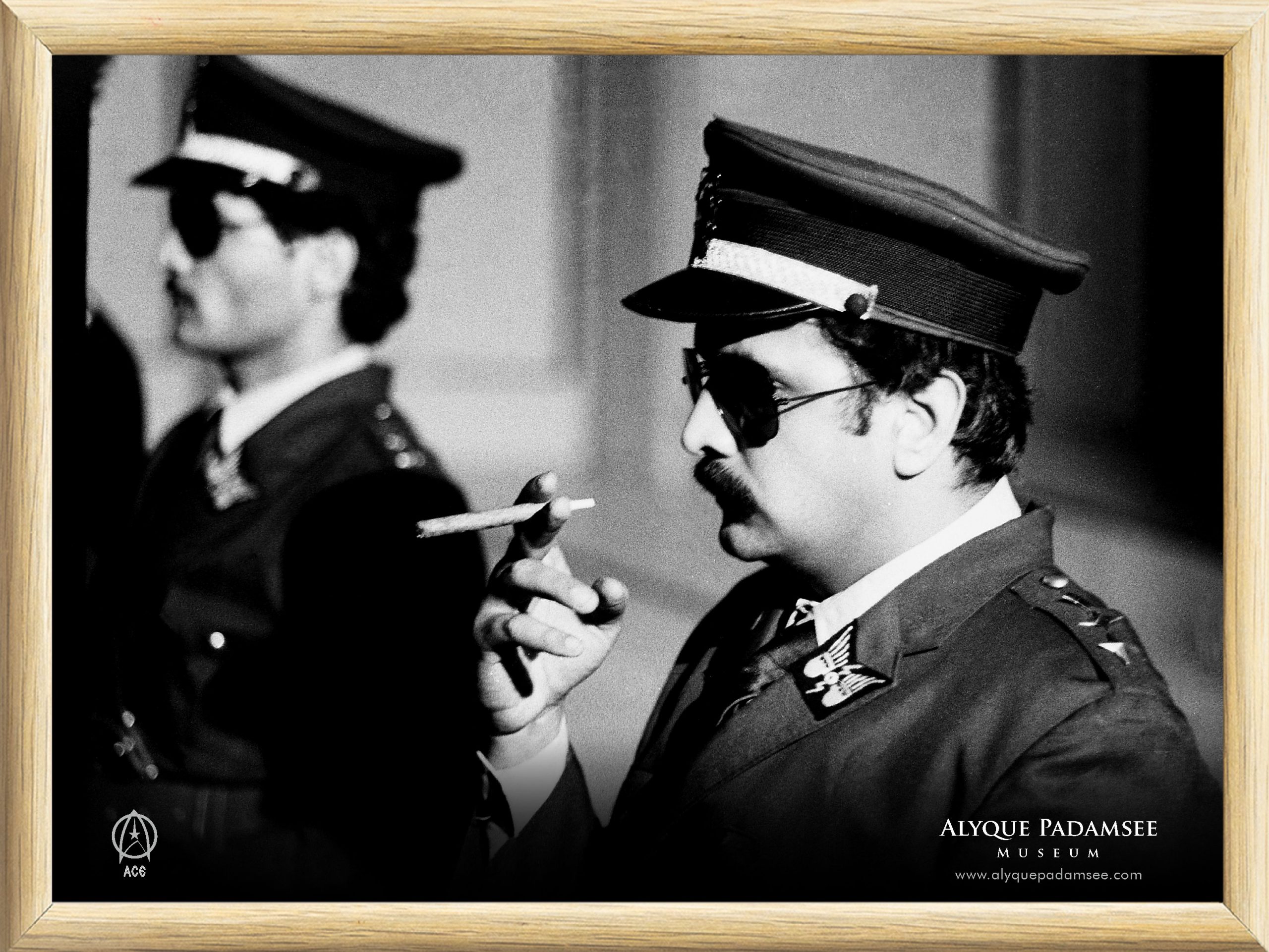
At a benefit to aid the victims of an earthquake, she meets Colonel Juan Perón, an ambitious politician with designs on the presidency. They fall in love and Eva encourages his plans to become dictator of the country, even using her star power to get him released from prison when his enemies order his arrest. On February 24, 1946, Perón is elected president with a huge majority, but it quickly becomes apparent that it’s his glamorous wife who’s the focus of the people’s love.
Alyque’s Take
What attracted Alyque to Evita was. of course, the music. But even more important, is the theme. The fact that a woman could rise in a man’s world and become the empress of her country. In his mind, this was so akin to Indira Gandhi.
Alyque based the character of Evita on Indira Gandhi and many Indians who went abroad and saw the production on Broadway or in London, came back and said, “My God! The Theatre Group production in Bombay is so different. And we prefer it because the storyline is so meaningful.”
Why Evita?
AP was always drawn to the characters in a play.
Evita: Bewitching, clever, a superb combination of beauty and ambition, yes Eva Peron was a heady combination that Alyque saw as a huge box office draw.
Evita was young, clever, ambitious and in the end, it all caught up with her. Alyque was always drawn to these types of flawed doomed characters. Pretty, predictable happy people on a joy ride held no fascination for him.
Evita’s ability to bewitch Peron and climb to become the First Lady of Argentina. Her hunger for power and money, her ruthless ability to crush every obstacle in her path, and then finally her let down, the one thing she miscalculated: not a wrong move, not a lack of power, but her own health. This was a recipe AP couldn’t resist.
The plot of the musical covered her meteoric rise to fame followed by her rapidly declining health. Alas, this was a battle she was unable to win and she finally died at the age of 34.
This was theatre adrenalin for Alyque and he pulled out all the stops to make this a play that would never be forgotten.
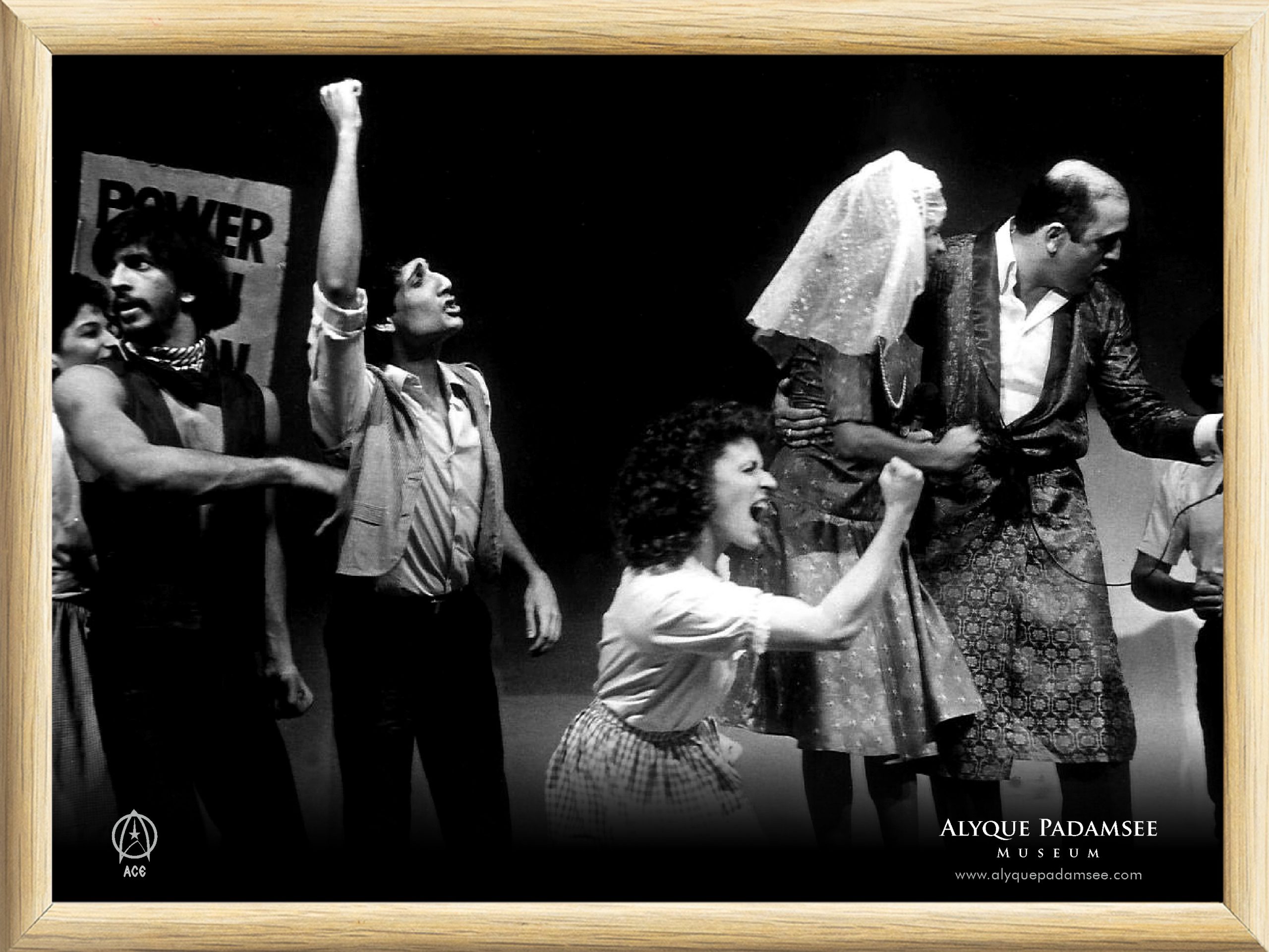
Astutely bringing in some of Indira Gandhi’s character traits he infused his production with a lethal dose of politics, pounding music, power and glamour.
The Gods could not have designed this better.
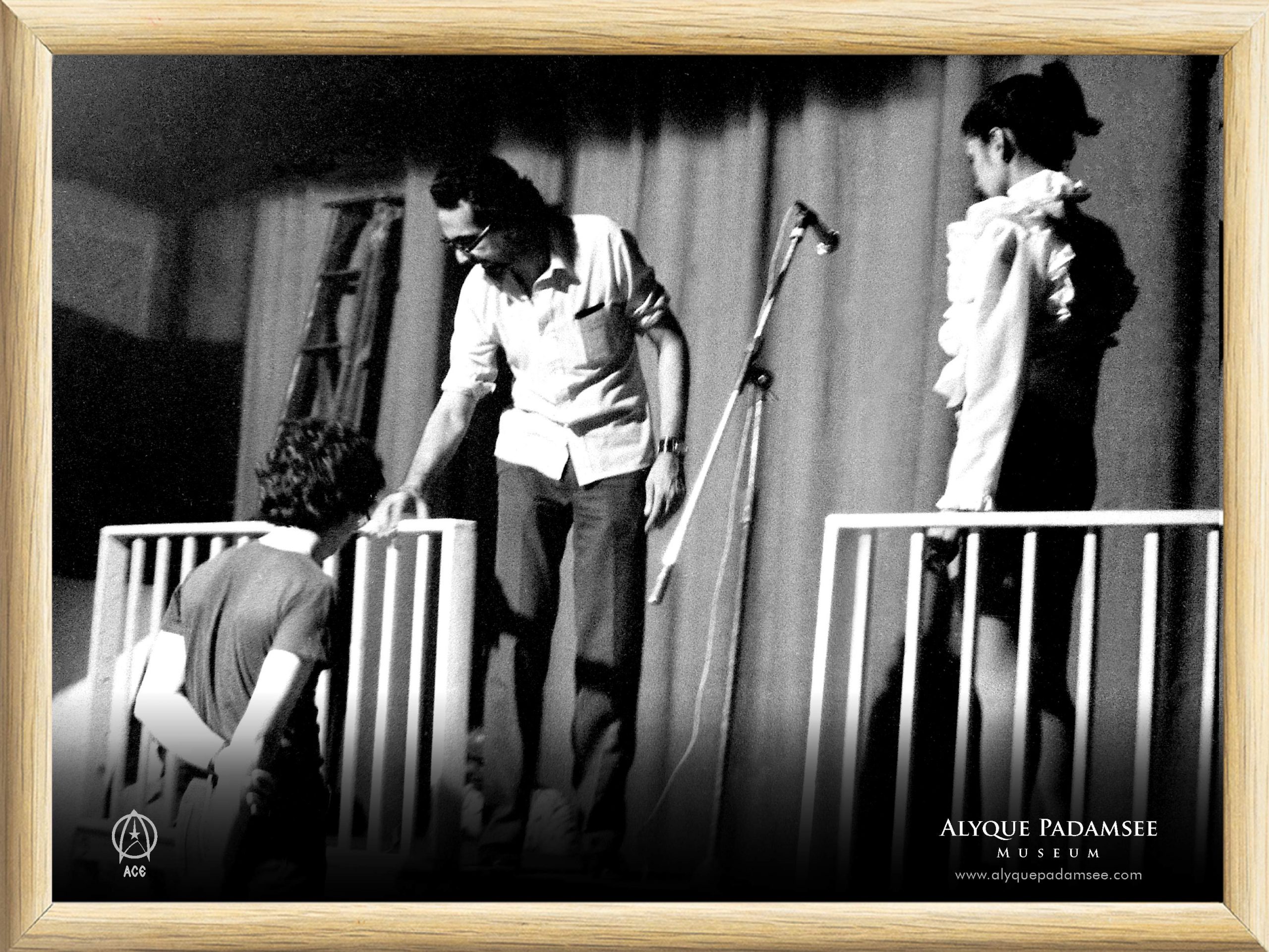
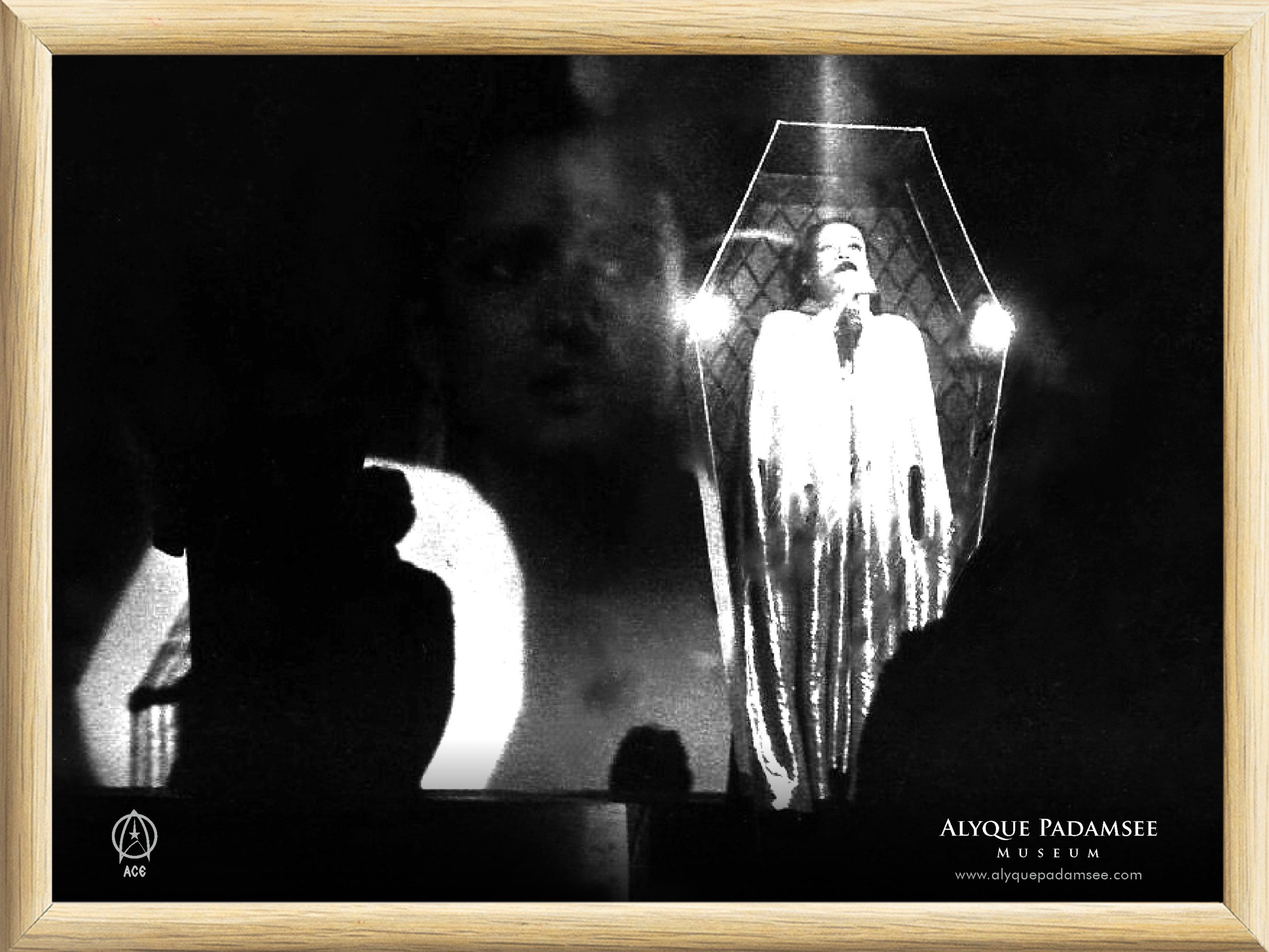
With slogans bearing similarities to Indira Gandhi’s famous quotes, dazzling costumes, foot-tapping music, glass coffins, elevators, and jaw-dropping lighting, AP had the audience eating out of the palm of his hand.
The finale was a theatrical coup!!
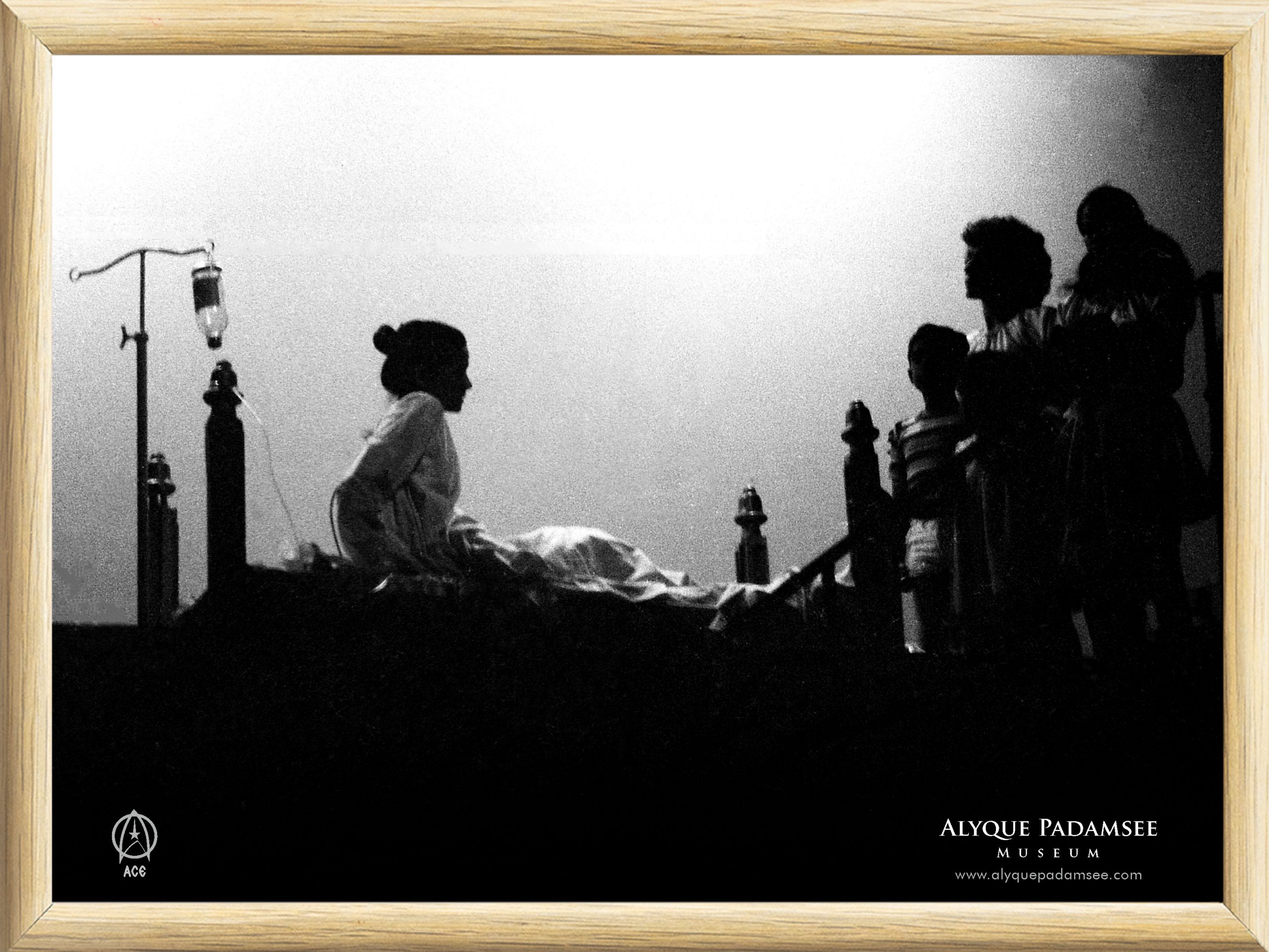
Knowing that he had a final card to play, AP milked the audience’s tears in Evita’s death scene. As the once-powerful Evita lay dying, Alyque led in a long queue of tiny children holding candles begging her not to die. You could hear the audience weep, grown men and women sat sniffling helplessly into hankies and bits of tissue.
Evita ran and ran, two shows a day, sometimes three shows a day.
Evita went on to run for about 150 shows and probably would have run for another 150 if we hadn’t stopped. But by that time, the actors and Alyque himself were quite worn out.
Fun Facts : One of the greatest International Theatre Producers and Directors, Harold ‘Hal’ Prince wrote to AP saying “I read in the New York Times about your production of Evita, and I’m fascinated that you based it on Indira Gandhi. As you may know, I did the original production of Evita, so perhaps the two directors of Evita could have a chat about our different productions of the play. If you happen to visit New York, please give me a ring and we’ll have a drink together.” And sure enough, they did meet in New York and spoke about their work in theatre.
When they were leaving, he said, “Aren’t you the man who played Mr Jinnah in Gandhi?” When AP nodded, he said, “That is one of my favourite films and I truly admire your performance.”
At the 100th show which culminated in AP presenting awards on stage to the team, a member of the audience stood up and said, “Mr Padamsee, I need an award too as I too have attended every one of these 100 performances.”
Besides running for five years, Evita was also responsible for creating a whole new galaxy of stars. There was Sharon, who went on to become a pop icon. There was Shiamak Davar, who had just a little dance role. Today, he’s one of Bombay’s leading choreographers. There was Rachel Reuben who went on to become a top model. Suneeta Rao, who is now a pop star. Alisha Chinai, who. Too, became a pop star. There was Javed Jaffrey, who’s a major television personality now. Karla Singh, who’s not only a top choreographer but also an excellent actress. Roger Drego, who did the sound, is today India’s finest sound engineer. Viraf Pocha, who handled the lights, is now one of the most sought-after lighting directors. And, of course, Mr. Rehmatali, whose Shobiz company built the magnificent sets, is India’s most trusted decor constructor. There was Brian Tellis, who filled in for Keith Stevenson as Peron. Brian has gone on to become one of Bombay’s finest comperes and radio jockeys and now runs his own event management company. Then when Dalip Tahil (playing Che) dropped out because he got a break in movies, Shiamak Davar took over his role and Suneeta Rao replaced Alisha Chinai.
Cast & Team








Image Gallery