
Play Synopsis
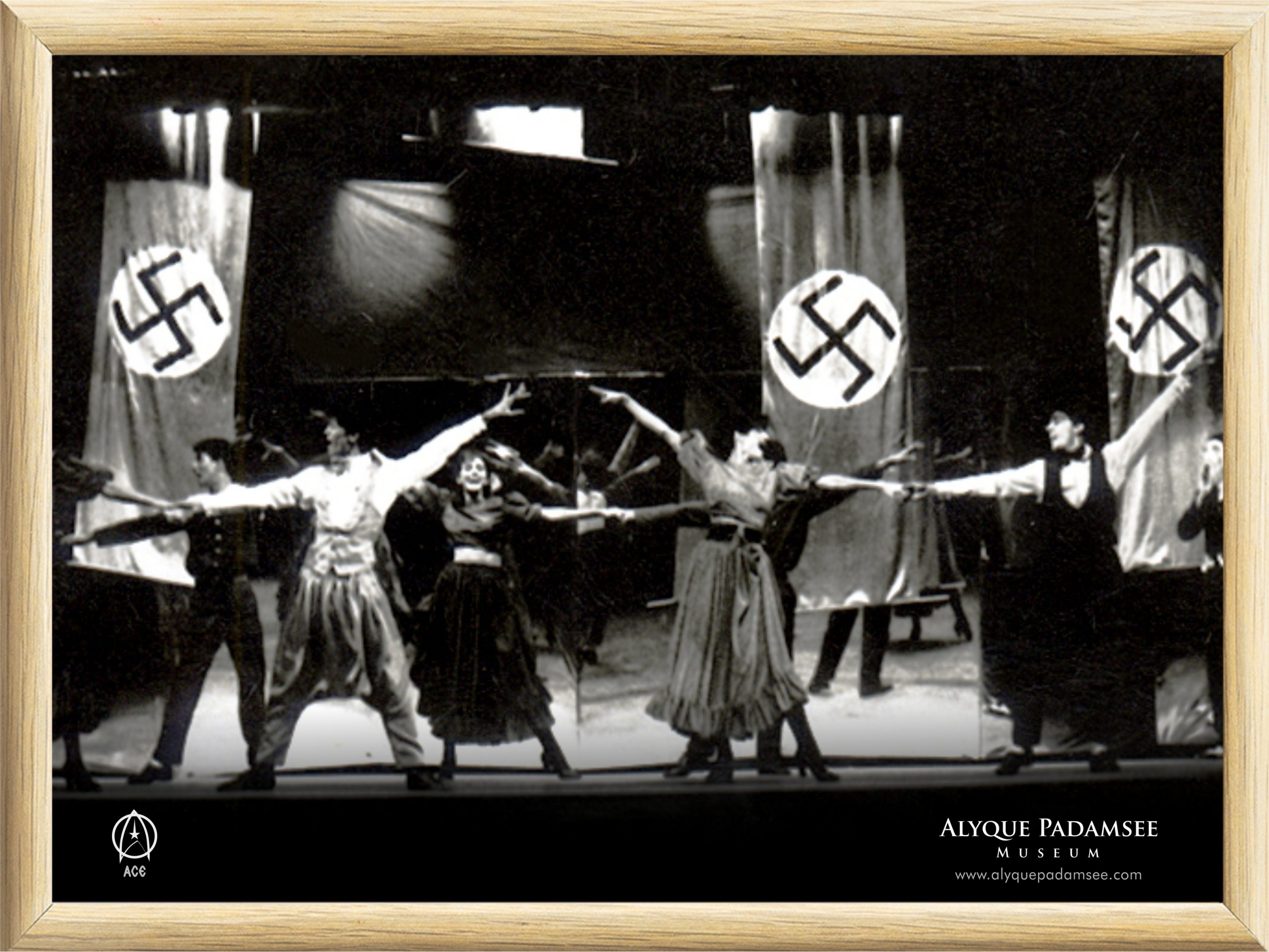
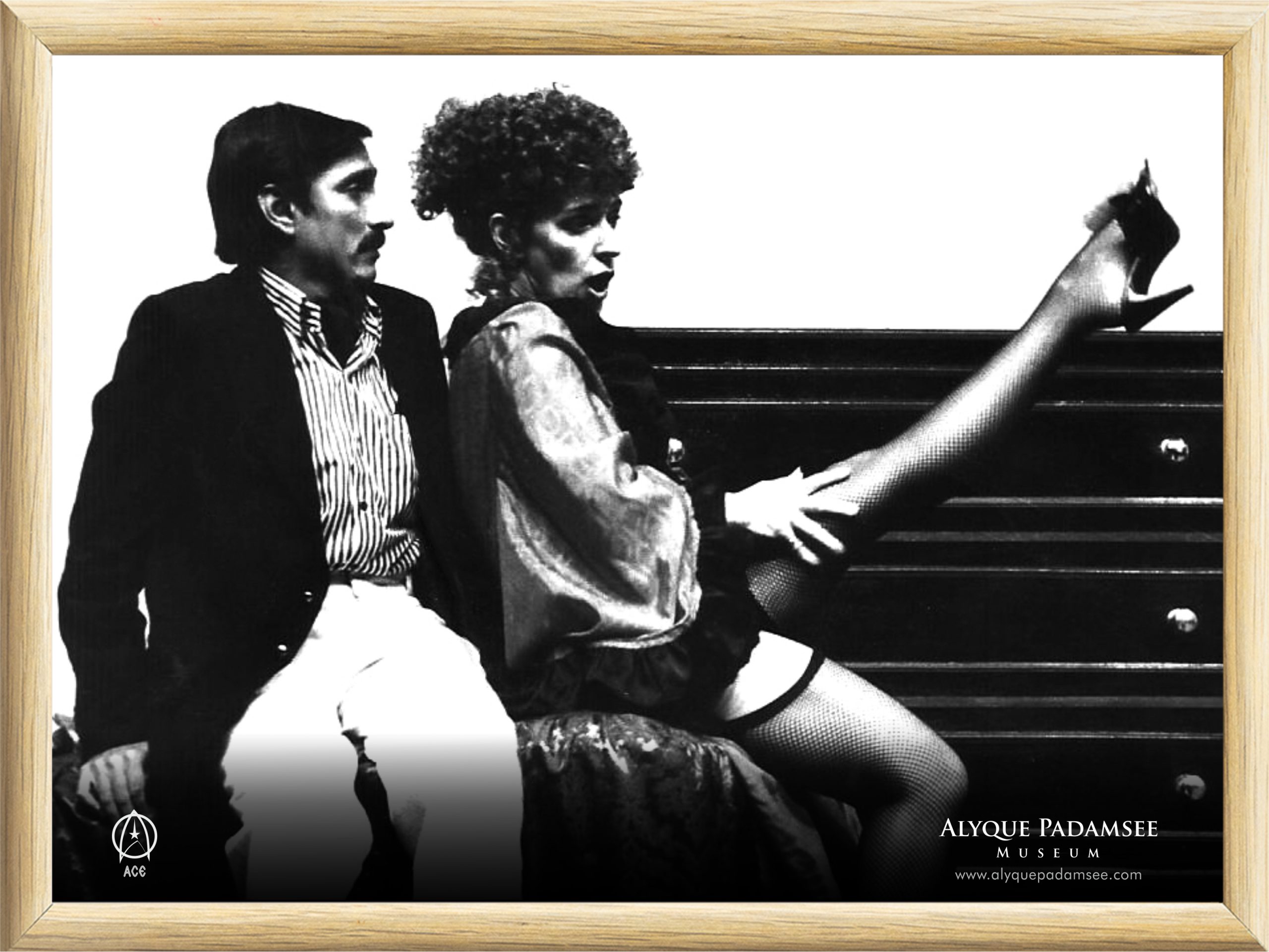
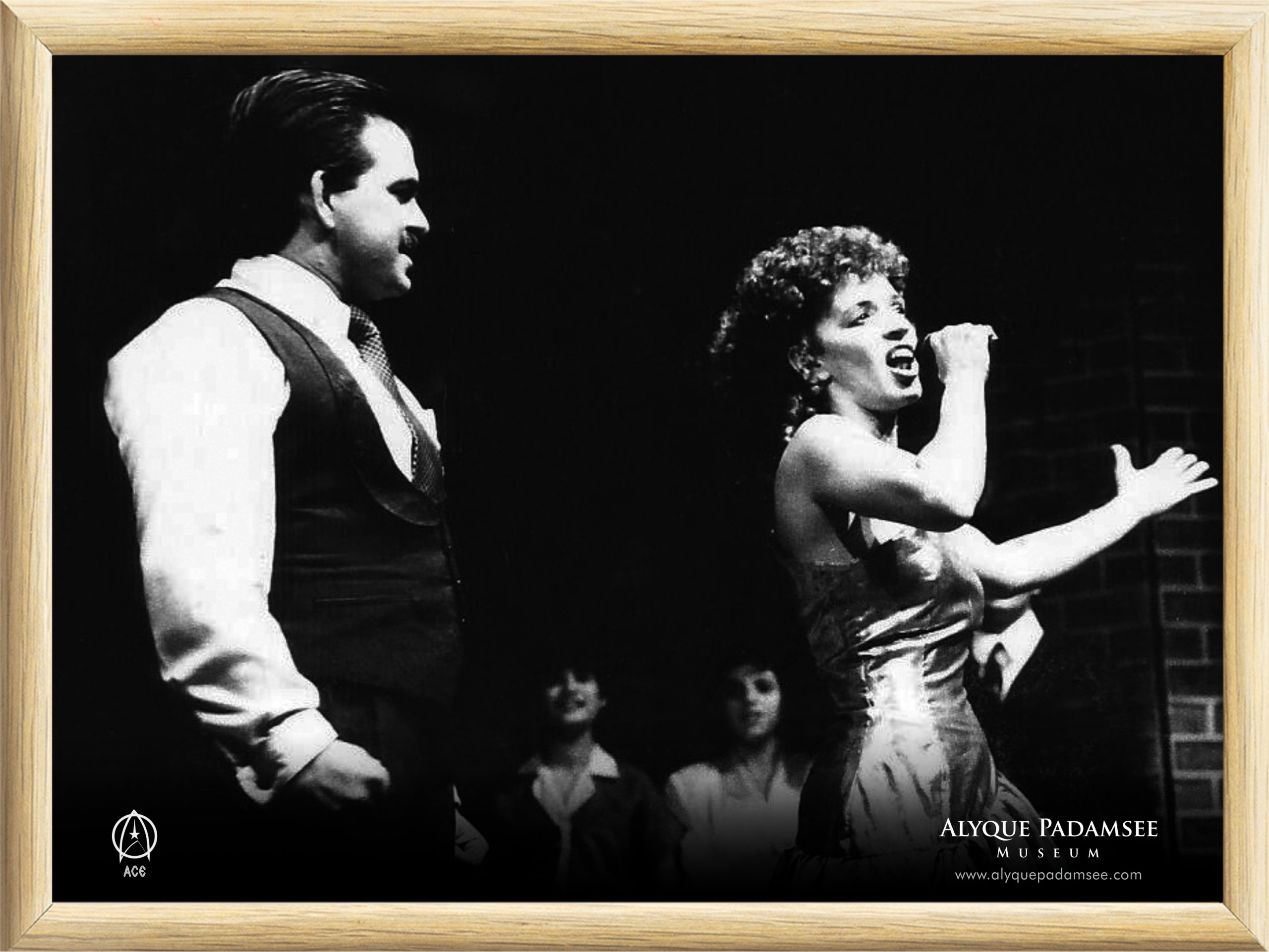
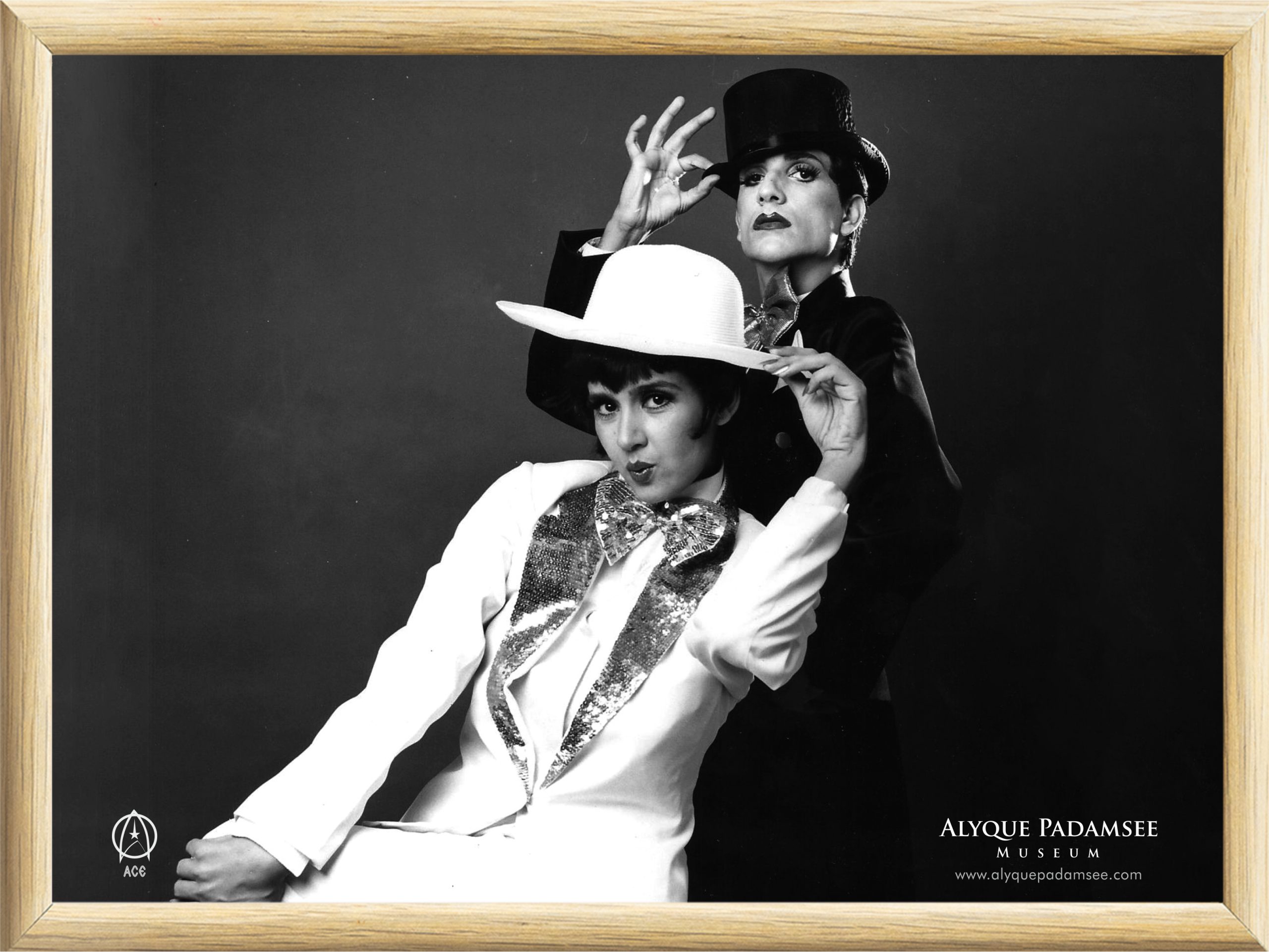
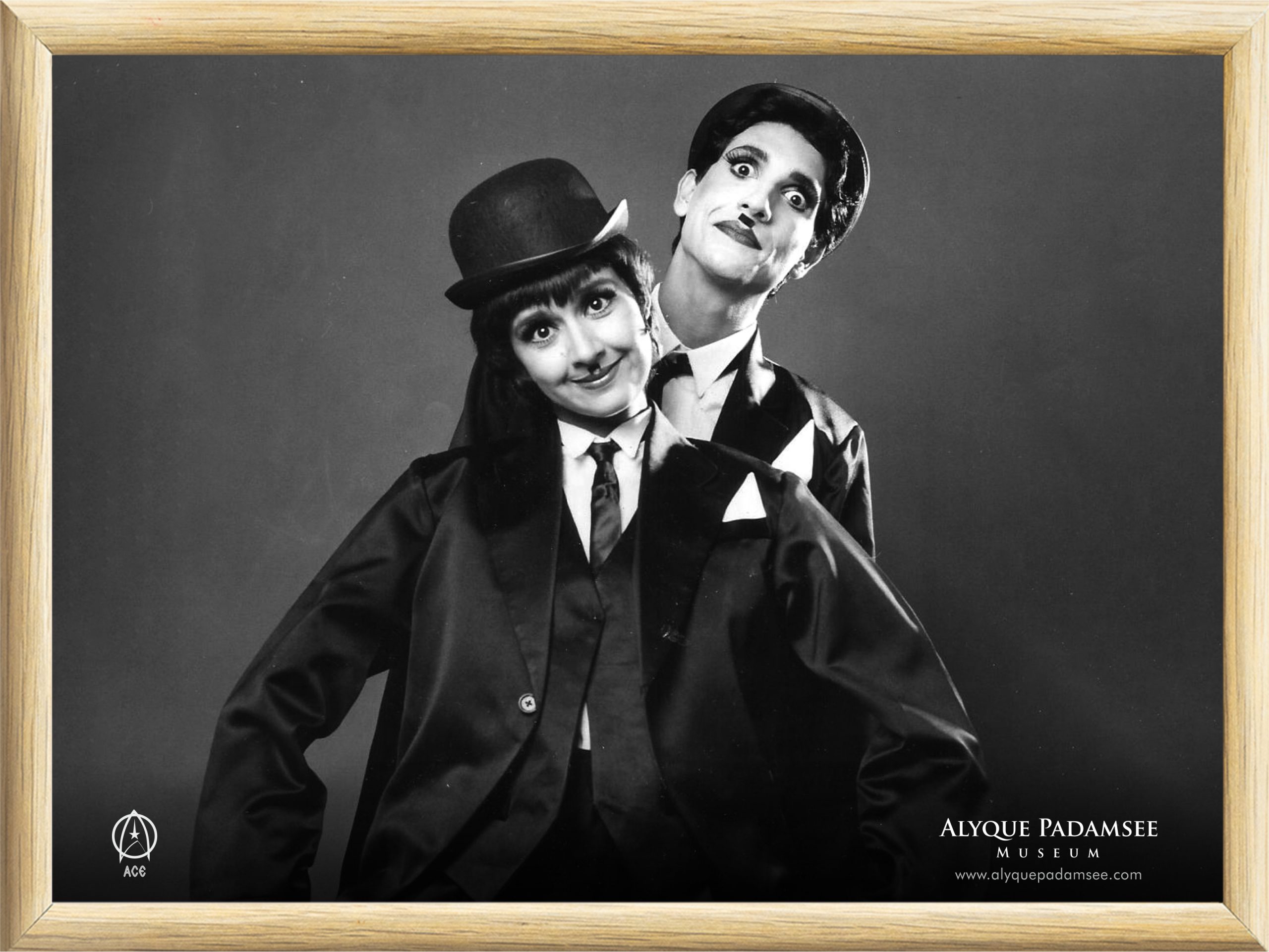
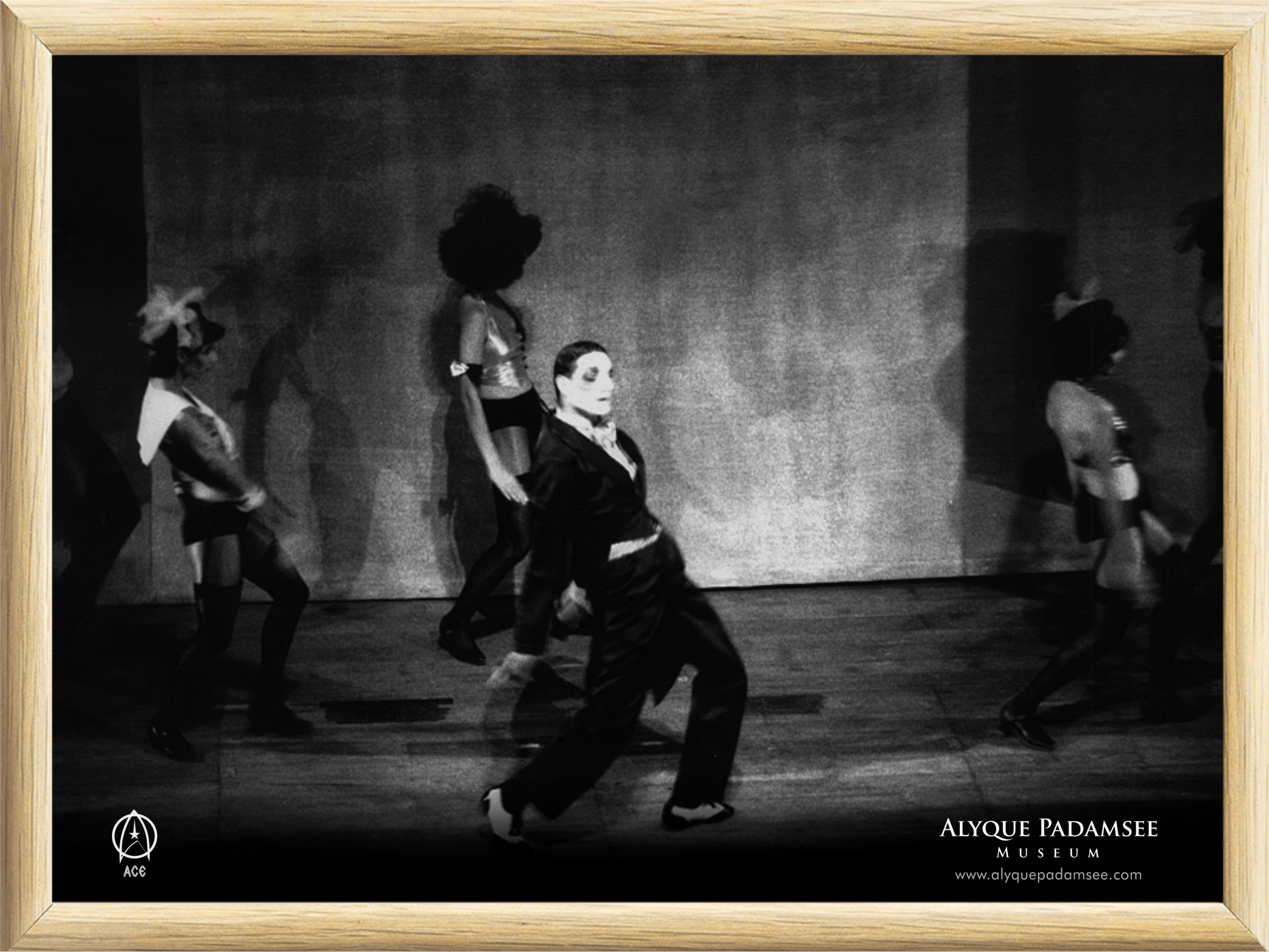
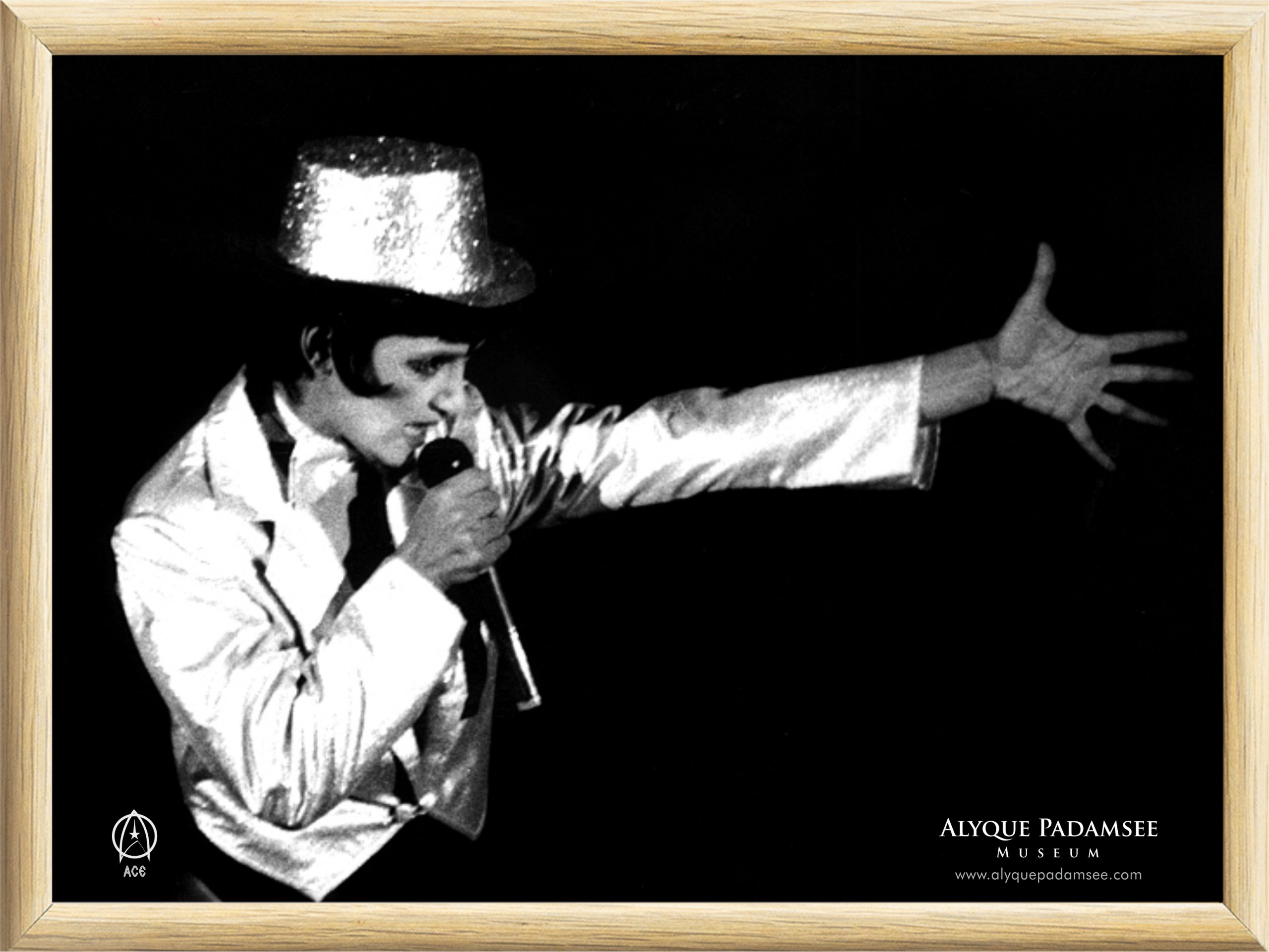
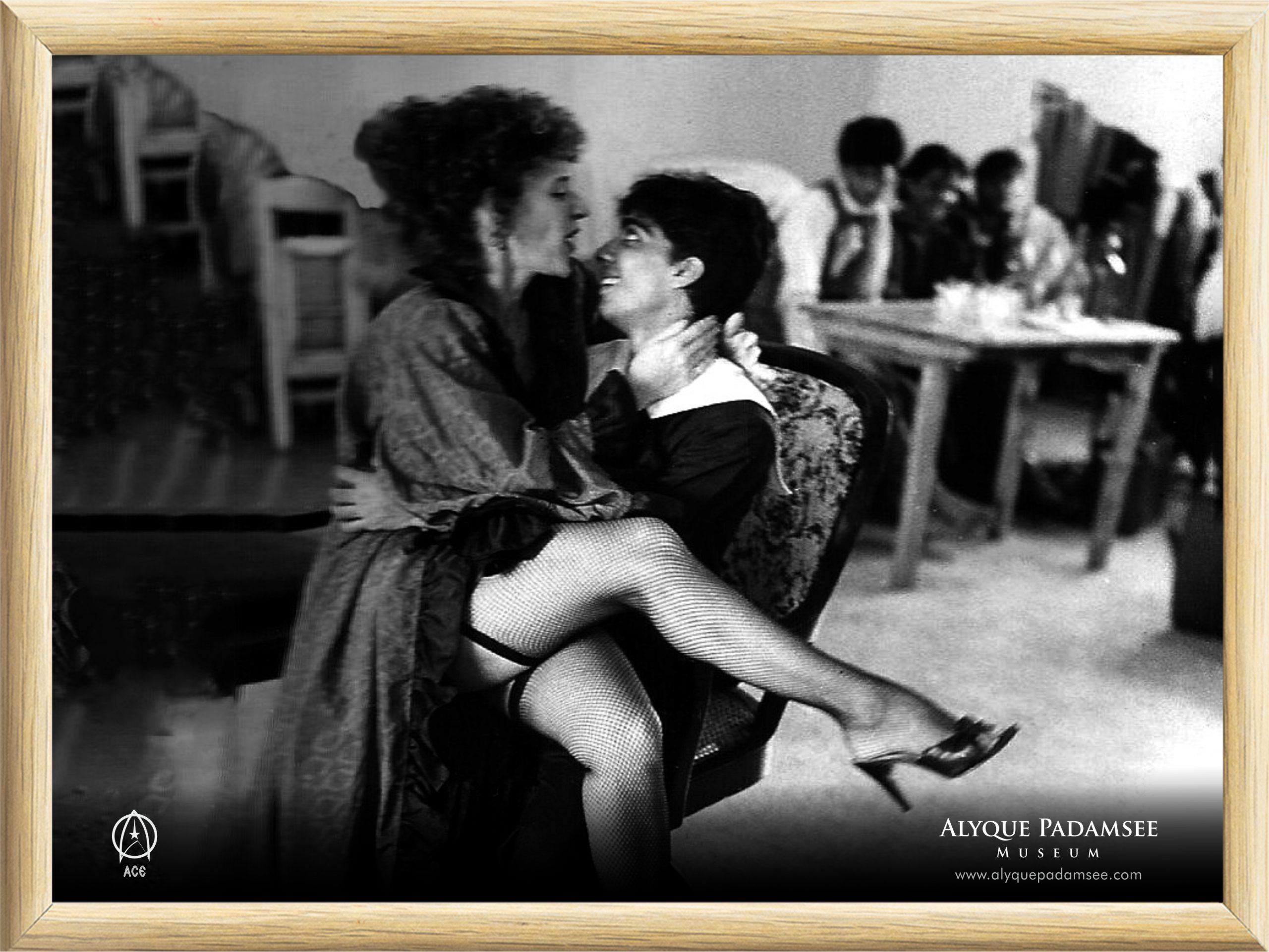
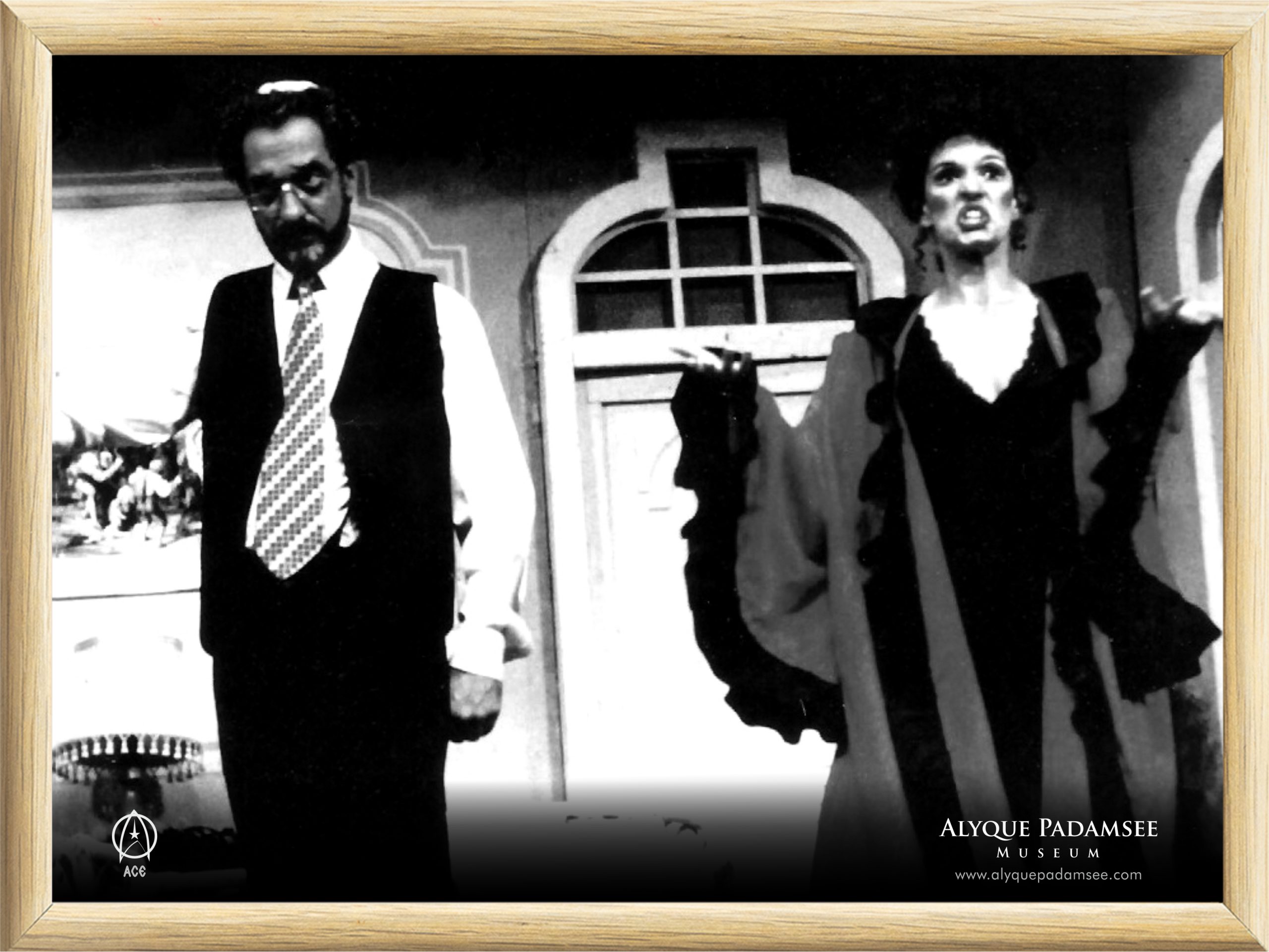
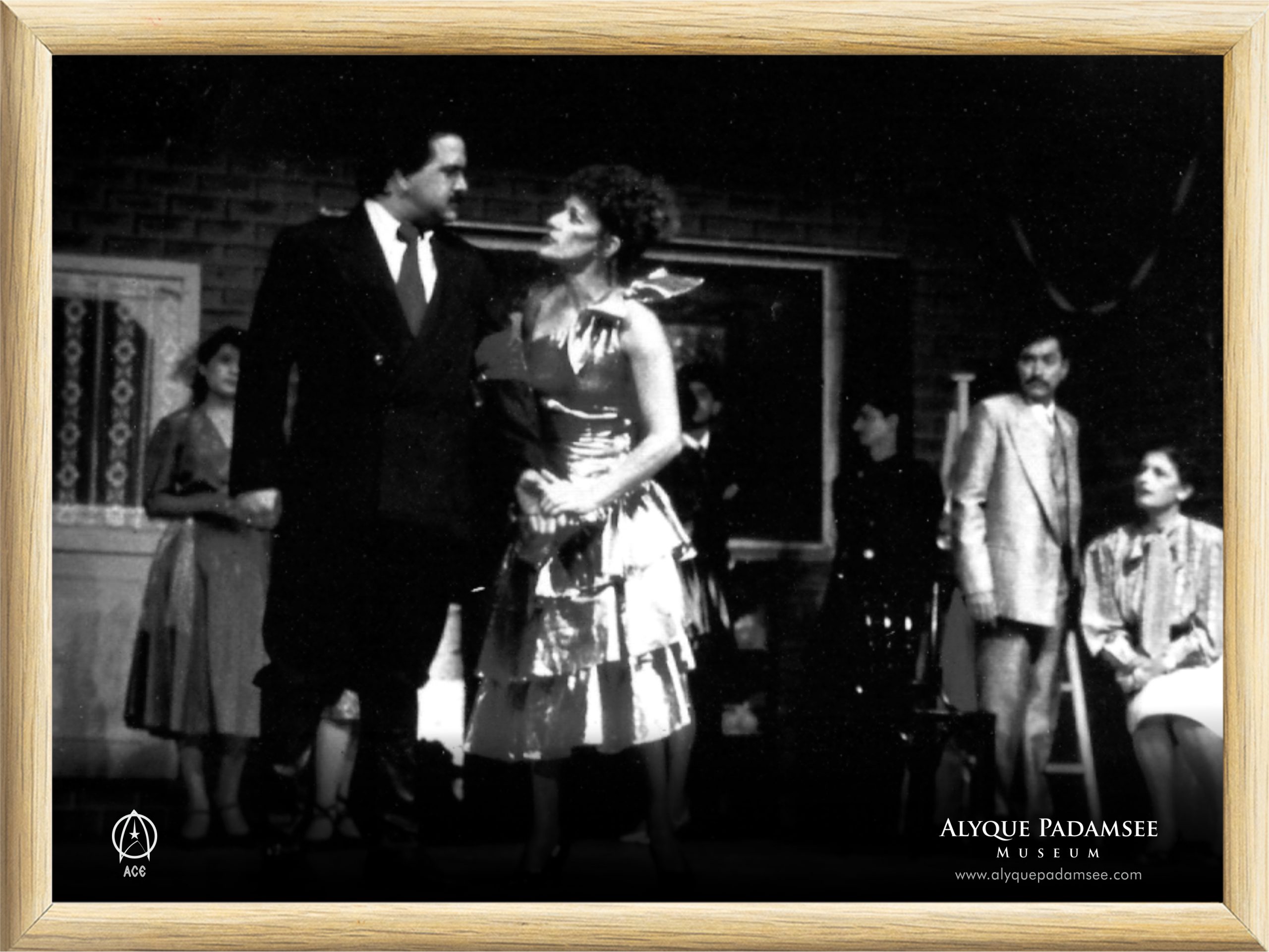
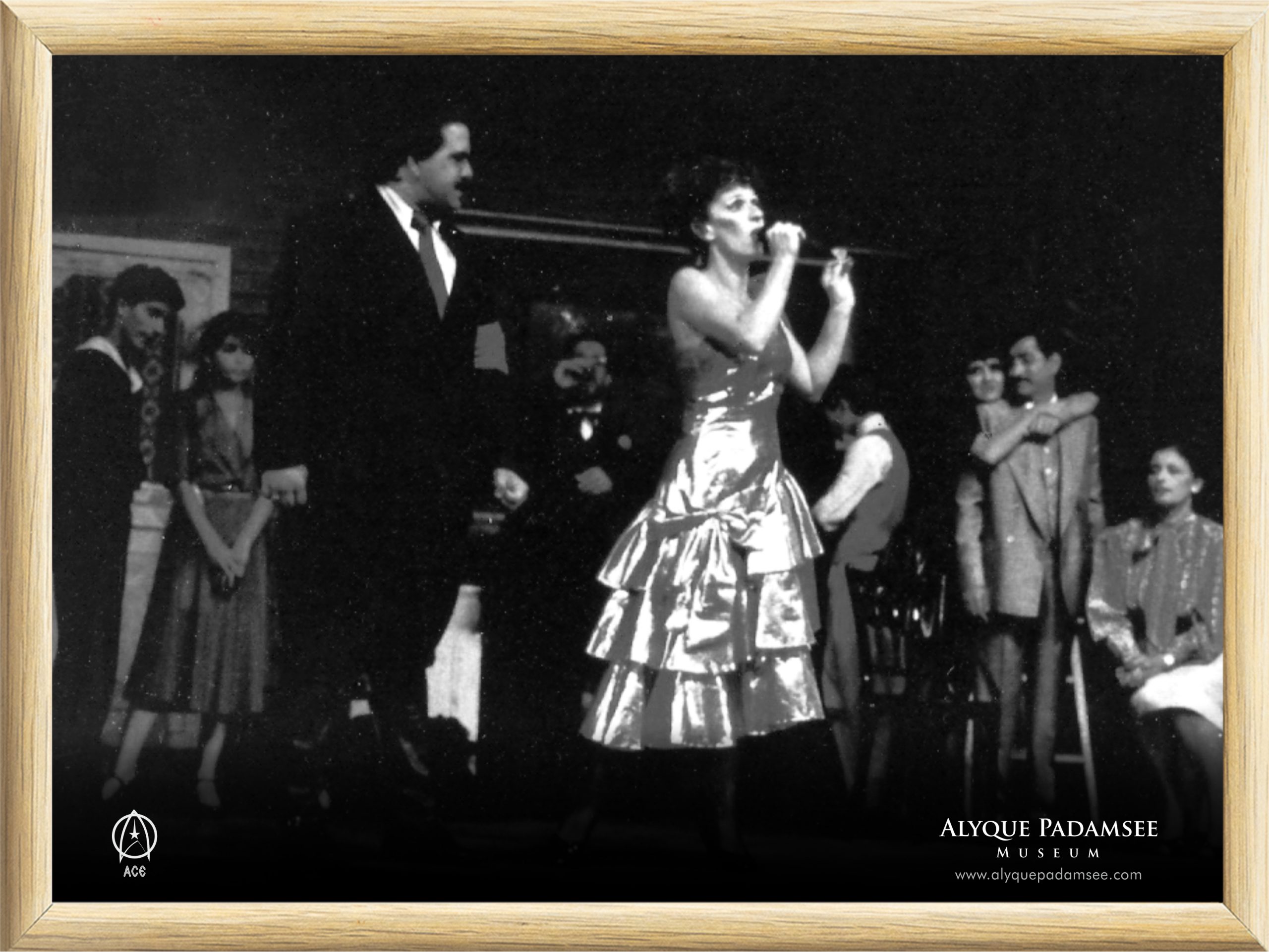
‘Cabaret’ takes place from 1929-1930, a time when Berlin, in the midst of a post-World War I economic depression, is transitioning from an underground, avant-garde cultural epicentre to the beginnings of Hitler’s totalitarian regime and the rise of the Nazi Party. Into this world enters Clifford Bradshaw, a struggling American writer looking for inspiration for his next novel. On his first night in Berlin, Cliff wanders into the Kit Kat Klub, a seedy nightclub overseen by the strange, omniscient and gender-bending Master of Ceremonies, ‘the Emcee’. Here, Cliff meets Sally Bowles, a vivacious, talented cabaret performer, and an utterly lost soul. Sally and Cliff begin a relationship, which blossoms unexpectedly into a dream-like romance. As time passes, however, the situation in Berlin changes from exciting and vital to ominous and violent. Ernst, Cliff’s first German friend, turns out to be an up-and-coming member of the Nazi Party, and Herr Schultz, a fellow boarder at Fraulein Schneider’s guest house (and Schneider’s fiance), is the victim of an Anti-Semitic hate crime. When he finds out that Sally is pregnant, Cliff decides that they must leave for America at once, before things get any worse. Sally, afraid, confused, and unsure that she’ll ever really be able to trade the sexy, illicit cabaret lifestyle for motherhood, gets an abortion, and tells Cliff that he must leave without her. With a distinctly Brechtian dose of provocation and a score featuring songs that have become classics of the American Musical Theatre, ‘Cabaret’ is a fierce, meaty musical that pushes the boundaries of the form and literally holds “the mirror up to nature”.
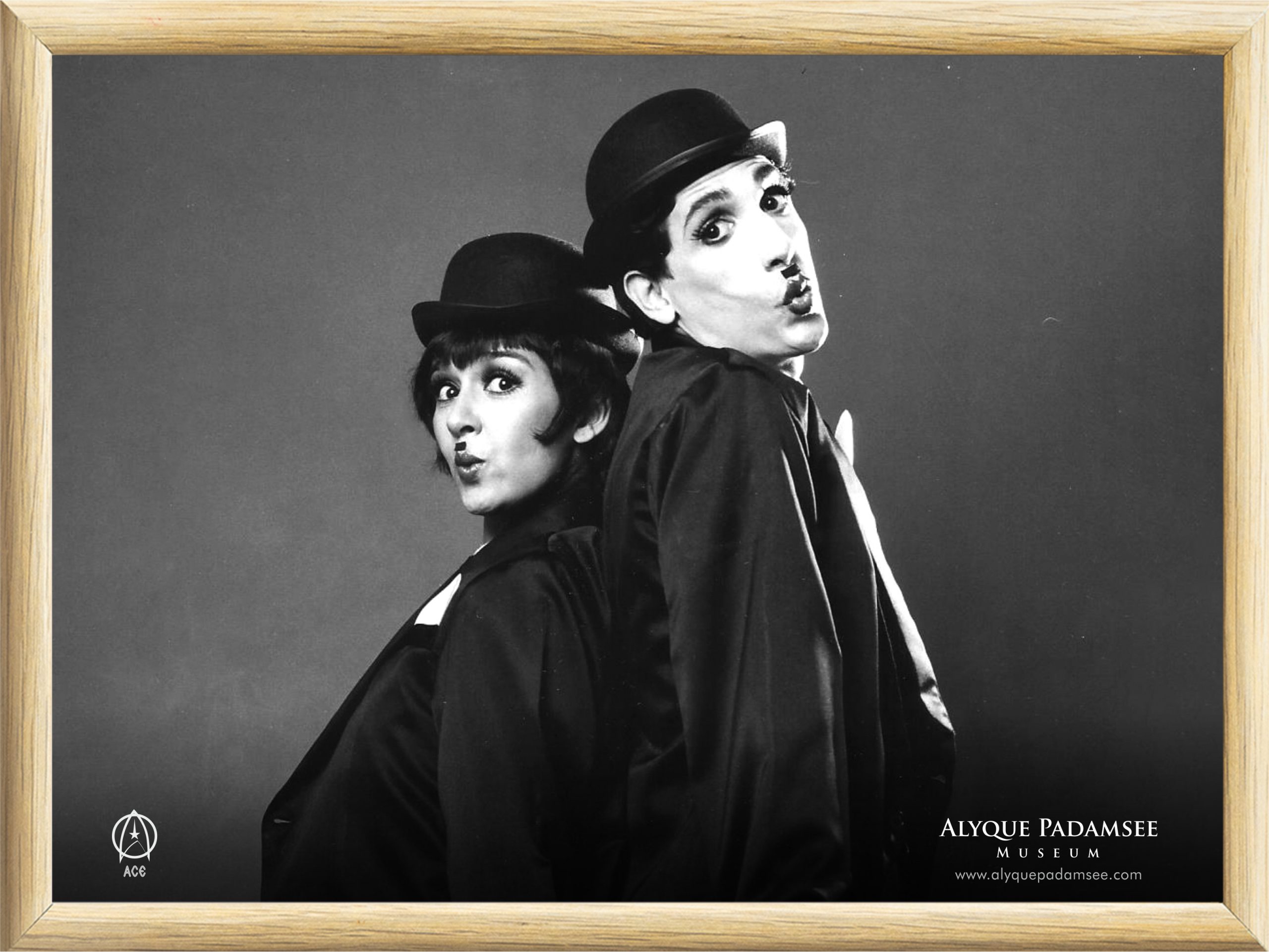
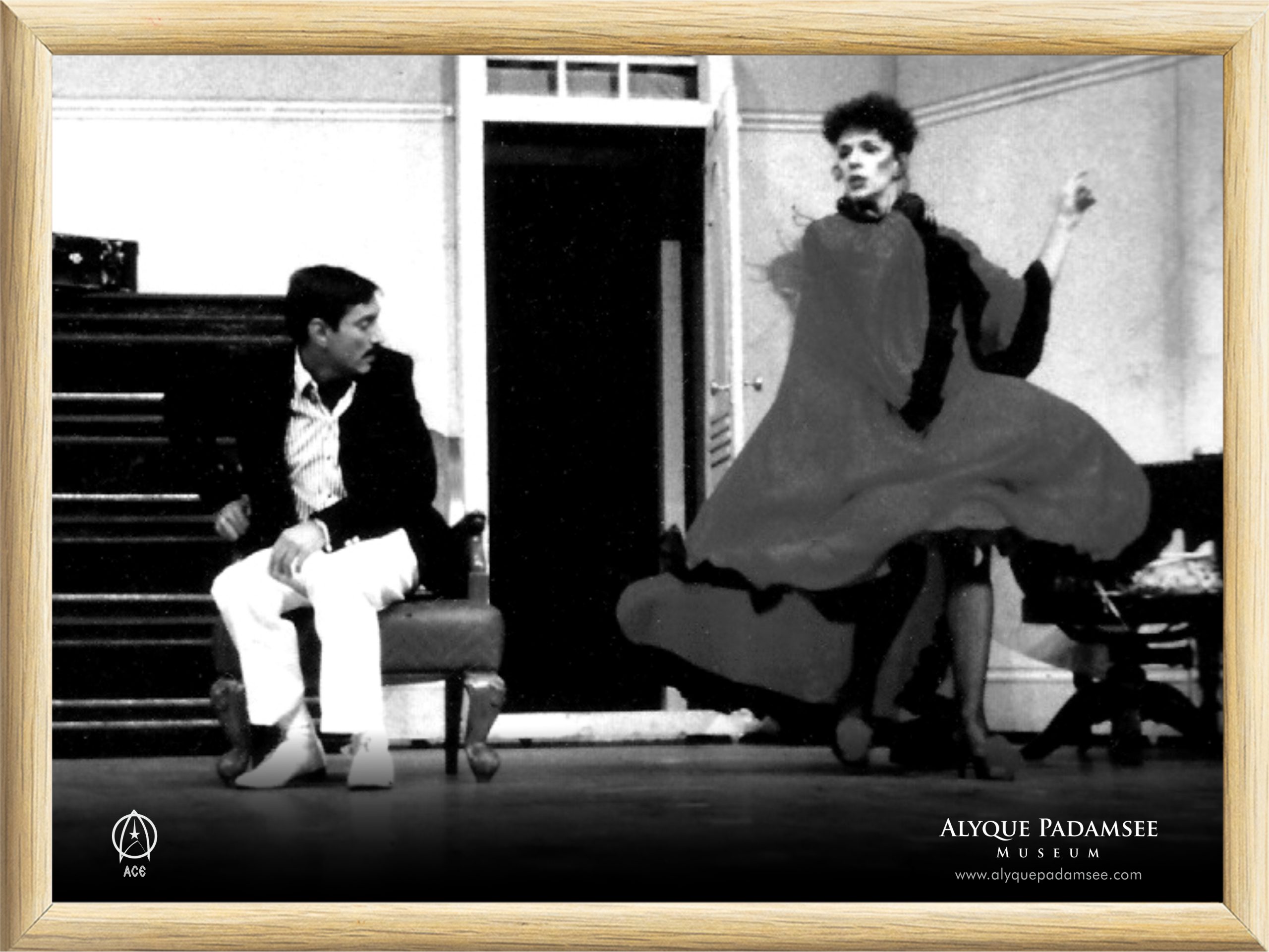
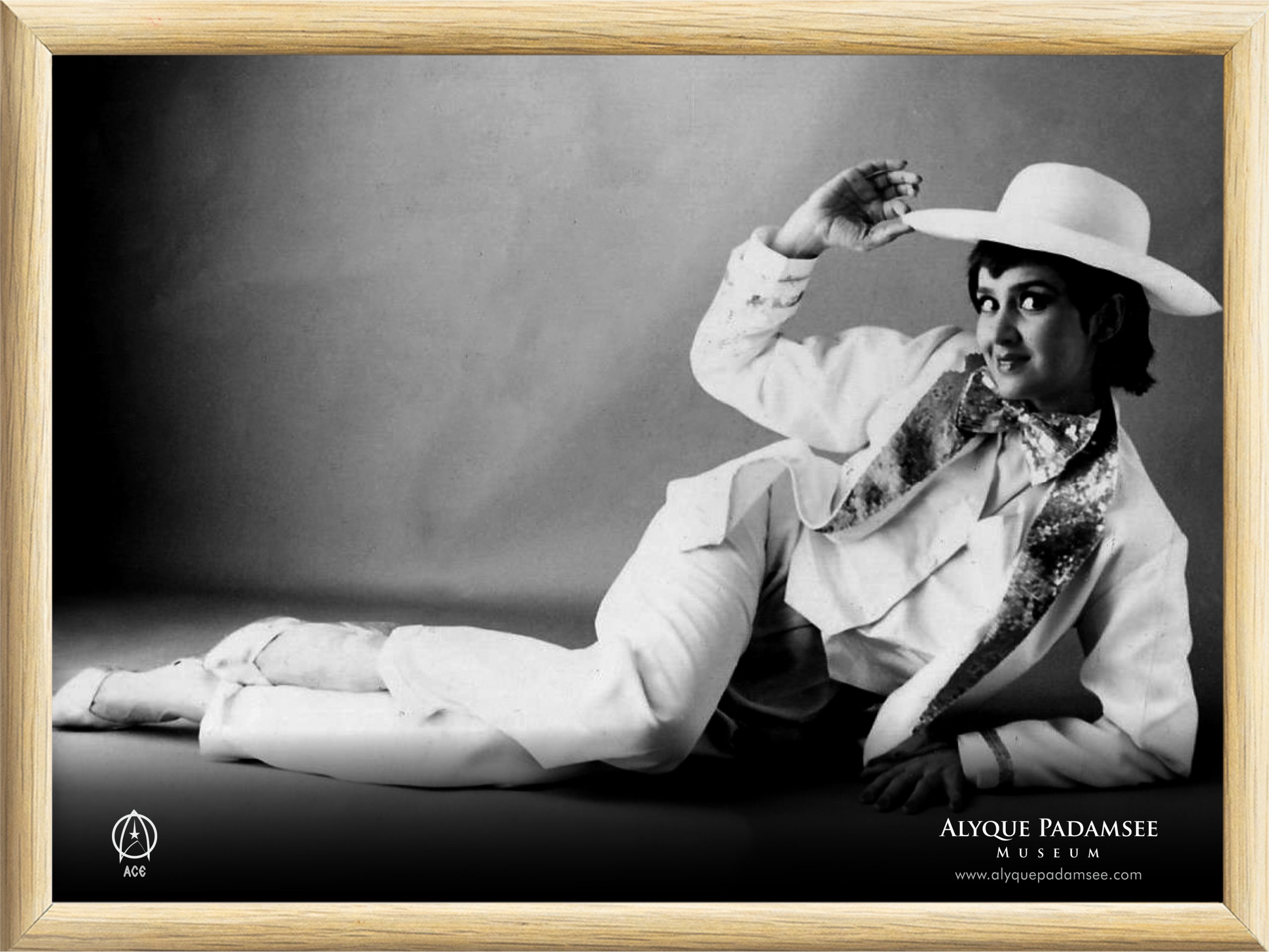
Alyque recreated Bob Fosse’s stunning musical using huge glass sheets to mirror stage effects and create dazzling illusions. This was also Shiamak Davar’s debut as a choreographer and he essayed Joel Grey’s role as the Emcee.
The play opened at the Sophia’s auditorium. Alas, the nuns were not happy with the daring costumes and the suggestive choreography and banned ‘Kabaret’ being performed at the Sophia auditorium.
Alyque’s Take
Director’s Note
Why KABARET and why spell it with a K? In a country riddled with politics what better drama than a play set against the rise of Nazism in the 30s. Hitler appealed to a certain fascist fundamentalism in the German people who were splintered into various states, each with its own axe to grind. He brought back to Germany a sense of false unity and purpose by painting the minority community of Jews as the common enemy. “You cannot build unity without a visible scapegoat.” Is our country looking for a fundamentalist fascism? Is it looking for a minority scapegoat?
The “KABARETT” theatre of Germany was the common man’s entertainment. The importance of this dramatic form was that it opened up new possibilities of social and political comment through the use of songs and brief sketches linked together by an Emcee. (Bertolt Brecht, one can see, was influenced by this theatrical form.) George Grosz depicted this era through a series of satirical paintings that did not spare the bourgeoisie or the Nazi Party.
What intrigued me about KABARET was both its form and content. What daunted me… was the cost! If it wasn’t for the generous support of Thums Up – this production would have merely remained an idea in my head. I’d also like to thank Orkay Silk Mills Ltd. and Joy Shoes for their help. It is companies like these that are the new patrons of the arts.
Cast & Team





Image Gallery